Legal Checklist for Selling Your Bungalow in Canada
Understand key legal steps when selling a bungalow in Canada, including APS, disclosures, title checks, taxes, and closing requirements.
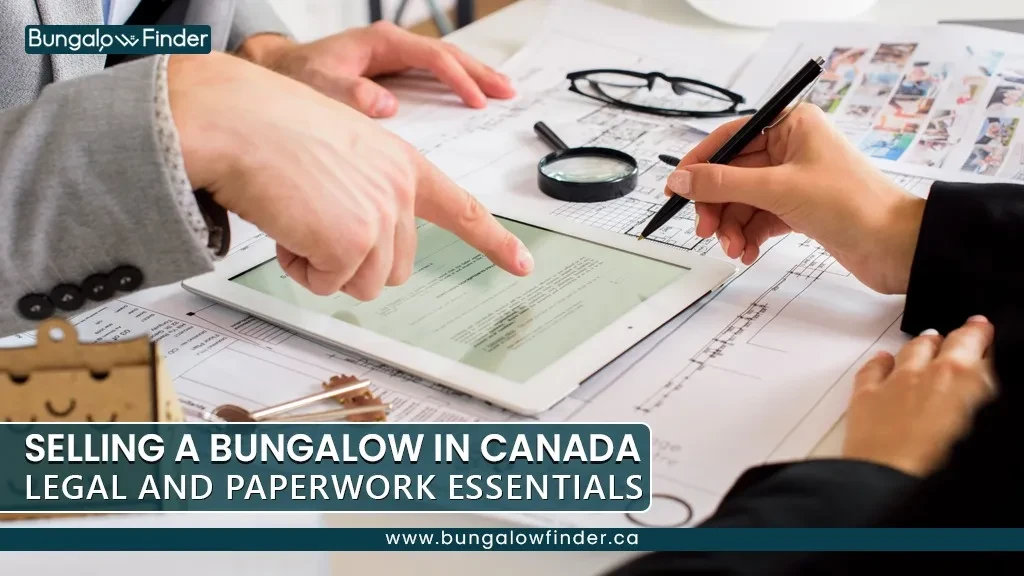
Selling a bungalow? Exciting, yeah, but also stressful. There’s a lot of paperwork and legal stuff you have to get right. Miss something, and your sale can stall, you might lose money, or end up in trouble. So it’s worth knowing what’s involved. Especially in Canada, it can get tricky if you don’t know the rules.
Here’s what actually matters, without overcomplicating it.
1. Agreement of Purchase and Sale (APS)
First, there’s the APS. That’s the contract between you and the buyer. It says the price, when closing is, what conditions there are (like the buyer needing a mortgage or an inspection), and how deposits work.
It’s basically the skeleton of the whole sale. Everything in it counts legally. You can’t just glance and sign. Most people have a lawyer check it. Small mistakes, like a wrong date or missing a condition, can mess things up.
Pro tip: Don’t assume the buyer will catch errors. One client I knew almost lost a sale because the closing date in the APS was wrong by a week. Lawyers caught it just in time.
2. Proof of Ownership and Title
The buyer needs proof that you actually own the house and nobody else has a claim. That’s where title documents come in. Your lawyer will do a title search—looking for liens, unpaid taxes, mortgages, anything that could be a problem.
If there’s an issue, you have to sort it before closing. Otherwise, the buyer’s lawyer might refuse to move forward, and your sale stalls.
Tip: Sometimes there are old, unpaid utility bills or minor liens from years ago. Even if you think they’re small, clear them. It’ll save headaches.
3. Disclosure and Property Condition
Canada expects you to disclose serious issues. Things that could affect value or safety. Examples: water damage, mould, structural problems, or unpermitted renovations.
Many people fill out a Property Disclosure Statement or a Seller Property Info Statement. Not always required, but they protect you. Telling the truth up front can save a lot of trouble later.
Even small problems? Mention them. Buyers will probably inspect anyway. Hiding things can come back to bite you.
Practical note: If you recently fixed something yourself, like a leaky faucet or cracked window, list it. Buyers like seeing repairs documented. It also shows you take care of your property.
4. Real Property Report or Survey
A Real Property Report shows your lot, boundaries, and buildings. Some towns require it. Even if they don’t, giving a recent survey helps. Buyers and their lawyers like it because they know exactly what’s on the property.
It also stops fights over fences or sheds. If there’s something off, fix it before selling.
Extra tip: If you added a deck or shed, check that it matches municipal rules. I’ve seen cases where buyers delayed a sale because a small addition wasn’t properly documented.
5. Financial Records and Utilities
Buyers like to see proof that taxes and bills are paid. Give them:
- Tax receipts
- Utility bills
- Receipts for big repairs or renovations
- It shows the house is looked after and gives them an idea of running costs.
Still have a mortgage? Your lawyer needs that statement to pay it off at closing.
Tip: Keep a simple folder of the last 2–3 years of receipts and bills. Makes life easier if buyers ask.
6. Tax Stuff for Non-Residents
If you live outside Canada, it gets complicated. The buyer (or their lawyer) has to hold back part of the money and send it to the CRA—usually, 25% of the sale price.
There’s a way to reduce it—you apply for a Certificate of Compliance. Then the holdback is based on your actual gain, not the full price.
Timing is key. You must notify CRA within 10 days of closing. Miss it, and you can be fined, and some of your money could be stuck in trust.
Even if you live in Canada, taxes matter. Capital gains, deductions for commissions or legal fees—know what’s coming.
Example: A friend sold a bungalow while living abroad. She didn’t apply early for the certificate. A big chunk of her sale was stuck in the lawyer’s trust account for weeks. It wasn’t a massive deal in the end, but it caused stress she didn’t need.
7. Closing Documents and Title Transfer
Closing day is when the house actually changes hands: you and the buyer sign documents. Your lawyer registers them. The buyer officially owns it.
Your lawyer also:
- Pays off your mortgage
- Pays commissions and fees
- Gives you the rest of the money
If there’s a holdback for CRA, the lawyer handles that too.
Tip: On closing day, bring any keys, garage openers, or manuals for appliances. Buyers appreciate it, and it makes for a smoother handover.
8. ID and Anti-Money Laundering Rules
Lawyers have to check ID for everyone. Bring government-issued ID early. Otherwise, last-minute problems can happen.
Even if it seems tedious, it’s mandatory. No ID, no closing.
9. Insurance and Other Practical Things
Check your home insurance. Cancel it or move it to your next place. Make a list of appliances, fixtures, or other things you’re leaving. Buyers need to know.
Keep copies of warranties and maintenance receipts. Buyers like seeing that, and it avoids fights later.
Tip: If you’re leaving a significant appliance like a fridge, make sure it’s noted in writing. Avoids awkward “I thought it was staying” conversations.
10. Why a Lawyer Matters
Even if it looks simple, a lawyer is necessary. They coordinate closing, check the title, manage holdbacks, handle CRA stuff, and make sure the documents are correct.
Skipping a lawyer is risky. Mistakes cost time and money. A good lawyer makes things much smoother.
Common Mistakes
- Not telling buyers about problems.
- Missing deadlines (especially for CRA)
- Ignoring taxes
- Not checking title
- Trying to do it without a lawyer
Little things matter. Even missing a small deadline or forgetting a form can stall the sale for days.
Final Thoughts
Selling a bungalow isn’t just putting a sign in the yard. Contracts, taxes, disclosures, title checks, closing—it’s a lot behind the scenes. Do your homework. Gather your documents. Be honest about the house. Work with a lawyer. Non-residents have an extra step, like the Certificate of Compliance.
If you prepare, things go smoother. You sell the house, get your money, and the buyer gets clear ownership. Everyone’s happy.
And remember: it’s not just about doing everything perfectly—it’s about being ready. Minor delays happen, forms can get lost, and buyers change their minds. Being prepared with all your paperwork and understanding what’s needed will save you a ton of headaches.