Buying a Bungalow in Toronto: Market & Financing Guide
Learn buying a bungalow in Toronto, including market trends, pricing, financing options, taxes, and how to evaluate listings smartly.
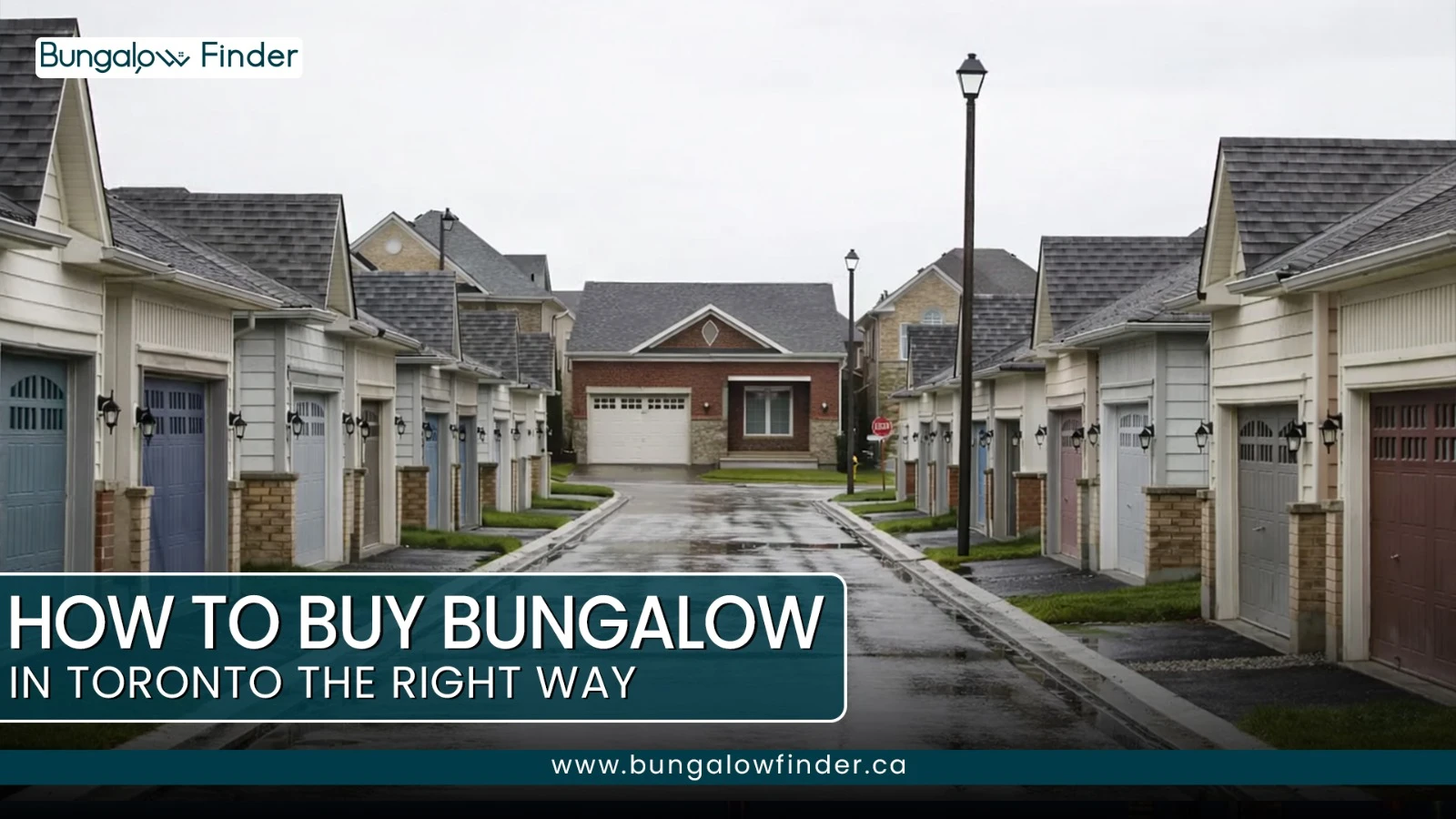
Buying a bungalow in Toronto feels simple until you actually start comparing listings. At a glance, most homes look similar—single-storey, compact layouts, older builds—but the prices don’t line up in a way that makes sense right away. That’s because you’re not just buying a house here. You’re buying land, and in many cases, that land is doing most of the heavy lifting in terms of value. This guide walks through how to read the market properly and what to get right financially before you commit.
Understanding the Toronto Bungalow Market
Toronto bungalows are limited, and that’s what keeps them competitive. Most are in older neighborhoods where lots are wider and deeper than what you see in newer developments. That alone changes pricing.
You’ll notice pretty quickly that two bungalows in Toronto that look almost identical inside can have a big price gap. It usually comes down to things like lot size, location on the street, and whether the property has redevelopment potential.
A lot of buyers focus too much on interiors. Renovated homes feel easier—you move in, and you’re done. But with Toronto bungalows for sale, a dated property on a strong lot can often make more sense long term.
Modern bungalows in Toronto sit in a different category. They’re priced higher because they save you time and effort. You’re paying for convenience, not necessarily better long-term value.
Financing Options for Buying a Bungalow
This is where things get serious, and where most buyers either stay in control or stretch too far. Financing isn’t just about getting approved—it’s about what you can comfortably carry after you move in.
Mortgage Options
Most buyers choose between fixed and variable rates. Fixed is straightforward. Your payment stays the same, which makes planning easier, especially when you’re already dealing with high prices in Toronto real estate bungalows.
A variable can start lower, which looks attractive at first. But it moves with the market. If rates go up, your payments go up too. Some buyers are fine with that trade-off; others prefer stability.
Right now, a lot of people lean toward fixed simply because it removes uncertainty in an already expensive market.
Down Payment and Affordability
Technically, you can enter the market with a minimum down payment. In reality, that doesn’t always work well for Toronto bungalows.
A higher down payment gives you more room financially. Your monthly payments are lower, and you’re less exposed if costs increase later. It also puts you in a stronger position when you’re competing for Toronto bungalows for sale, where clean, reliable offers matter.
Why Pre-Approval Matters
Before seriously going through bungalow listings in Toronto, pre-approval is almost non-negotiable now. It does two things. First, it gives you a clear idea of your budget. Second, it shows sellers you’re ready to move.
In competitive situations, that matters more than people expect. Sellers don’t just look at price—they look at certainty.
Property Taxes and Ongoing Costs
This is the part that catches people off guard. The purchase price isn’t the full picture.
Property taxes for Toronto real estate bungalows can be higher than expected because of the lot size. Bigger land means higher assessed value, and that becomes a yearly cost you can’t ignore.
Then there are closing costs. The land transfer tax in Toronto is significant, especially at higher price points. Add legal fees, inspections, and insurance, and the numbers climb quickly.
Older bungalows also come with maintenance. Even if everything looks fine during a viewing, repairs tend to show up later. That doesn’t mean you avoid these homes—it just means you plan for them properly.
Evaluating Bungalow Listings the Right Way
Looking at bungalow listings, Toronto isn’t just about finding something within budget. It’s about understanding what you’re actually paying for.
Small bungalows in Toronto can be appealing because of their lower entry price, but their value often depends on the lot and location. A smaller home in a strong neighborhood can outperform a larger one in a weaker area.
Here’s what to focus on when comparing listings:
Lot size and shape
Zoning and redevelopment potential
Condition of major systems (roof, plumbing, electrical)
Neighborhood demand
Modern bungalows in Toronto may feel like an easier choice, but they come at a premium. If you’re comfortable managing renovations over time, older homes can offer more flexibility.
Making the Right Buying Decision
There’s always pressure in this market. Listings move fast, and it’s easy to feel like you need to decide quickly. But rushing usually leads to overpaying or missing something important.
Your financing should guide your decision more than the listing itself. If a property stretches you too far, it doesn’t matter how good it looks—it creates stress later.
At the same time, waiting too long can mean missing solid opportunities. The balance is knowing your limits and being ready when something actually fits.
Final Thoughts
Buying a bungalow in Toronto isn’t about finding a flawless home—it’s about making a choice that works for your budget and long-term plans.
The true value often lies in the land, location, and future potential rather than finishes or cosmetic upgrades. By focusing on what really affects cost and growth, evaluating financing carefully, and looking at listings with a clear perspective, you can make decisions confidently. Understanding these factors makes the market easier to navigate and ensures your investment in a Toronto bungalow is smart, sustainable, and tailored to your needs.
What should I know before buying a bungalow in Toronto?
Before buying a bungalow in Toronto, it’s important to look beyond just the appearance of the home. Pay attention to the location, lot size, condition of the property, financing options, and additional costs like taxes and maintenance so you have a clear overall picture.
Why do bungalows in Toronto seem expensive?
The price of a bungalow in Toronto is often driven more by the land than the house itself. Location, lot size, and redevelopment potential play a big role in determining value, which is why similar-looking homes can have very different prices.
Is buying a bungalow in Toronto a good investment?
Bungalows can be a solid investment because they tend to hold value well over time. Their appeal comes from the land they sit on, steady demand, and the flexibility to renovate or rebuild in the future.
What financing options are available for buying a bungalow?
Most buyers choose between fixed-rate and variable-rate mortgages. Fixed rates offer stability with predictable payments, while variable rates may start lower but can change depending on the market.
Why is pre-approval important when buying a bungalow?
Getting pre-approved helps you understand your budget and shows sellers that you are a serious buyer. In a competitive market like Toronto, this can make your offer stronger and more attractive.
What extra costs should I expect when buying a bungalow?
Apart from the purchase price, you should plan for property taxes, land transfer tax, legal fees, inspections, insurance, and ongoing maintenance costs, which can add up quickly.
How do I properly evaluate bungalow listings in Toronto?
When comparing listings, focus on factors like lot size, location, zoning, redevelopment potential, and the condition of major systems such as the roof, plumbing, and electrical, rather than just interior finishes.
Are older bungalows better than modern ones?
Older bungalows often offer better land value and potential for upgrades or redevelopment, while modern bungalows are more move-in ready but usually come at a higher price due to convenience.