Niagara-on-the-Lake Bungalows: Neighbourhood and Buyer's Guide
Bungalows in Niagara-on-the-Lake by neighbourhood: prices, heritage and NPCA rules, older-home checks, taxes, short-term rentals and buyer tips.
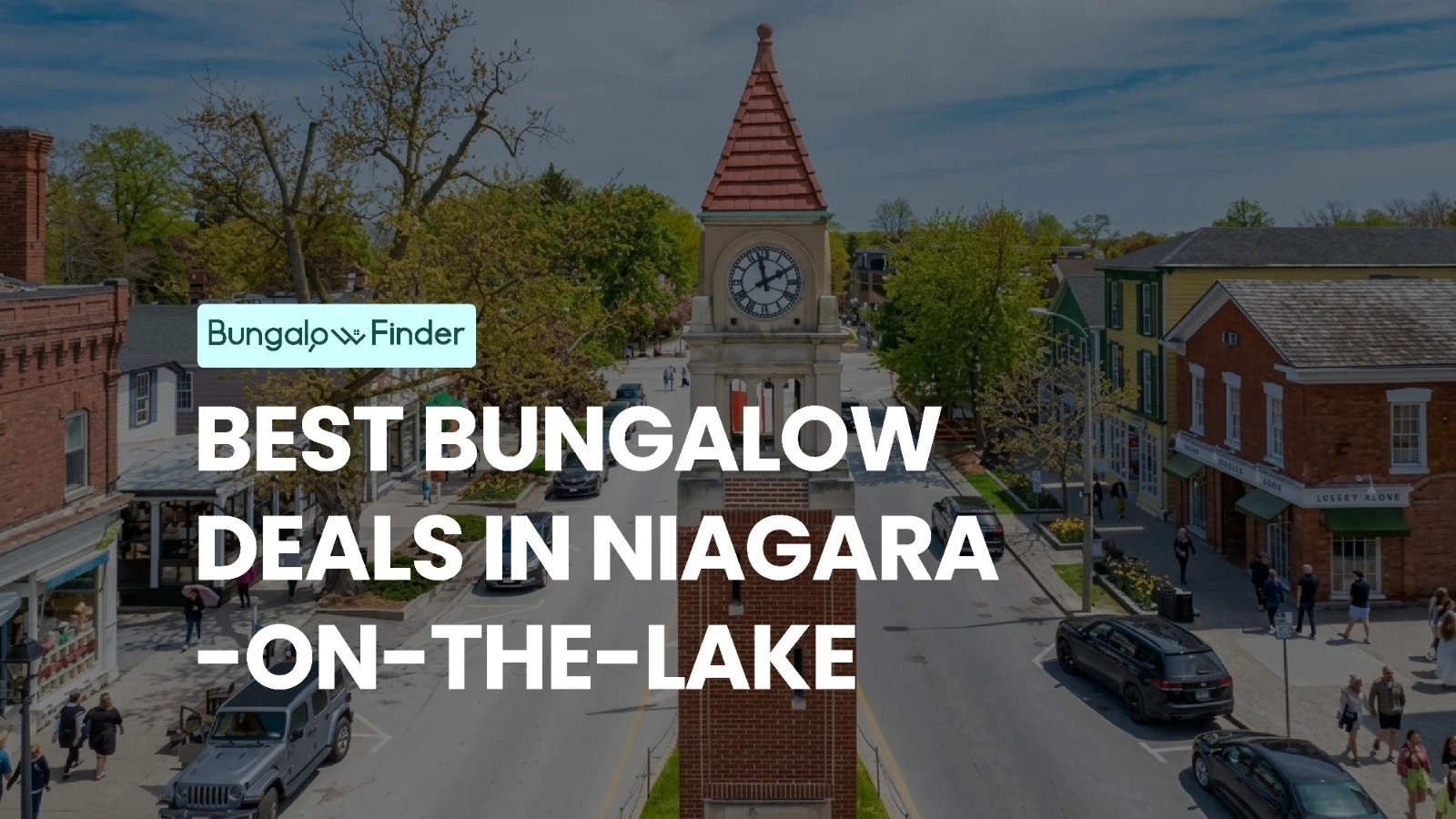
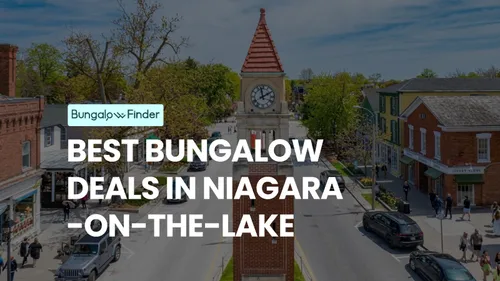
Niagara-on-the-Lake is known for its wineries, the Shaw Festival and a beautifully preserved historic main street. But the town is home to about 19,000 people spread across five settlement areas and a large stretch of vineyard and farmland. For bungalow buyers, that mix is the appeal: one-level living, mature lots, walkable streets in the historic core, newer subdivisions inland and a quiet wine-country setting.
It is also a town where the right neighbourhood, the right rules and the right inspection matter a great deal. Heritage controls, conservation areas, protected farmland and strict short-term rental licensing all shape what you can do with a property. This guide explains where bungalows are found in Niagara-on-the-Lake, how prices work and where to follow them, what to check on older homes, and what to confirm before you make an offer. You can also browse current bungalows for sale in Niagara-on-the-Lake alongside this guide.
Why Bungalow Buyers Look at Niagara-on-the-Lake
Bungalows suit downsizers who want to avoid stairs, families who want a main-floor layout with a basement for extra space, and buyers who want a quiet home near wine country, the lake and the Niagara River. Many retirees are downsizing to a bungalow for exactly these reasons: less upkeep, no daily stairs and easy access to services.
Single-storey homes are not the most common housing type in a town known for historic and executive homes, so choice can be limited and the best-priced ones often go quickly. The neighbourhood you choose shapes everything from lot size to how much tourist activity you live near.
In Niagara-on-the-Lake, the best bungalow is the one that fits both the home you want and the part of town around it.
Quick Summary
Bungalows in Niagara-on-the-Lake range from older single-storey homes and raised bungalows to newer bungalow townhomes, bungalofts and rural properties.
The town has five settlement areas (Old Town, Virgil, St. Davids, Queenston and Glendale) plus a large rural and vineyard area, and each has a different feel.
Niagara-on-the-Lake has had the highest benchmark home price in the Niagara region, so budgets and comparisons matter.
Urban areas are generally on municipal water and sewers, while many rural properties rely on private wells and septic systems.
Homes in the Old Town heritage area, and any designated property, may need heritage approval before exterior changes.
The NPCA, Niagara Escarpment and farmland rules can limit additions and new buildings on some properties.
Short-term rentals need a Town licence, and that licence cannot be transferred to a new owner.
Official market reports are published monthly, and they cover all home types, not bungalows alone.
Niagara-on-the-Lake Neighbourhoods and Where Bungalows Are Found
The Town describes Niagara-on-the-Lake as five settlement areas plus a rural community. Narrowing down the setting you want is the best first step.
Town (Old Town)
The historic core is the part of Niagara-on-the-Lake most people picture: tree-lined streets, Queen Street shops, the theatre district and the lake nearby. Town bungalows tend to be a small share of a housing mix that is dominated by heritage homes, cottages and custom infill, and there is also the Garrison Village area on the edge of Old Town. Walkability is the big draw, but so is the tourist traffic in busy months. Because many properties are in or near a heritage area, confirm what rules apply before you plan changes.
Virgil
Virgil bungalows are often described as the everyday-convenience part of town. The Town Administration building and NOTL Hydro are based in Virgil, and the area is commonly associated with a larger supply of traditional bungalows, raised bungalows and newer family subdivisions. The mix changes street by street, so confirm the age, lot and condition of each property.
Glendale
Glendale bungalows sit closer to the QEW and the Niagara College campus. Glendale is the part of town most associated with newer growth, with a mix of townhomes and low-maintenance housing, so single-storey options are more likely to be bungalow townhomes than large detached lots.
St. Davids
St. Davids bungalows are found in a village setting near the base of the Niagara Escarpment, with newer subdivisions and larger custom homes. Properties near the escarpment and creeks may be affected by conservation or escarpment rules.
Queenston
Queenston is a small historic village beside the Niagara River, close to Brock's Monument. It has a quiet, low-density feel and very limited turnover, so listings can be rare. Heritage and river-related considerations may apply.
River Area
The River area follows the Niagara River Parkway, where larger and more scenic properties are common. Homes near the river can be attractive, but they may have conservation rules, slope and erosion considerations and extra insurance questions.
Rural Niagara-on-the-Lake
Rural bungalows sit among vineyards, orchards and farms, often on larger lots. These properties may rely on private wells and septic systems and may sit near active farm operations.
In Niagara-on-the-Lake, the neighbourhood you choose affects your lot, your noise level and your costs as much as the bungalow itself.
Bungalow Prices in Niagara-on-the-Lake
Price is one of the first things buyers want to understand, so this section explains what drives bungalow prices, shows a dated snapshot from the official market board, and points to where you can follow current numbers.
What Affects Bungalow Prices
Bungalow prices in Niagara-on-the-Lake vary widely, and the neighbourhood is only one factor. Prices tend to differ with:
Location: homes in or near Old Town, on the river or in wine-country settings generally cost more than homes in more everyday areas
Lot and setting: a larger lot, mature trees, vineyard views or a property near water can raise the price
Size and layout: finished or walk-out basements, main-floor primary suites and suite potential tend to matter to buyers
Condition and updates: older wiring, plumbing, roofs and basements can lower value or require budget for repairs
Heritage status: heritage rules can add cost and limit changes, which some buyers value and others avoid
Price Snapshot (September 2026)
As a dated reference point, the Niagara Association of REALTORS reported that in September 2026 the MLS Home Price Index benchmark for Niagara-on-the-Lake was about $852,500, down 4.6% from a year earlier. For comparison, the benchmark for the whole Niagara region was about $567,400. Niagara-on-the-Lake continues to have the highest benchmark in the region, roughly $285,000 above the regional figure.
Please treat these figures as context only. The benchmark describes a typical composite home, not a bungalow, and it covers all home types sold through the board. Asking prices on specific bungalows can be well above or below it, and the numbers will change over time.
Neighbourhood Quick Guide
Neighbourhood | Bungalow style you may find | Good to know |
|---|---|---|
Town (Old Town) | Character bungalows, cottages and townhomes | Heritage rules may apply; tourist season traffic |
Virgil | Traditional, raised and newer bungalows | Everyday services nearby |
Glendale | Bungalow townhomes and newer builds | Near the QEW and Niagara College |
St. Davids | Newer and custom bungalows | Escarpment and creek rules may apply |
Queenston | Small-village and riverside homes | Limited supply; heritage and river considerations |
River | Larger riverside properties | Conservation, flood and erosion questions |
Rural | Bungalows on larger lots | Well and septic are common; farm activity nearby |
Where to Follow Official Market Reports
For current figures, the best source is the Niagara Association of REALTORS statistics page on CREA. It publishes monthly reports with benchmark prices, sales, new listings and days on market for the board's region. The reports group homes by type, so they are useful market context rather than a bungalow-only number. For recent bungalow sales in a specific neighbourhood, ask your agent for sold comparables, and see how bungalow costs compare across Ontario.
In Niagara-on-the-Lake, a dated reference point plus recent sold homes on the same street will tell you more than any single average.
Bungalow Types and Lots
The style and lot tell you a lot about age, layout and what to inspect.
Common Bungalow Styles
Traditional bungalows: single-storey homes with a simple layout and a basement, common in older areas.
Ranch-style bungalows: longer, lower homes on wider lots, often with an attached garage.
Raised bungalows: the entry sits between levels, and the partly above-ground basement can mean larger windows and suite potential.
Bungalofts: a main-floor layout with a partial loft for guests or an office.
Walkout bungalows: homes on sloping lots with a lower level that opens to the yard.
Bungalow townhomes and lifestyle communities: low-maintenance options where exterior care may be handled by an association, so review the fees and rules.
Lots, Basements and Water-Adjacent Properties
Older neighbourhoods often have wider lots than newer subdivisions, and rural properties can be much larger. Many bungalows have finished basements. A finished basement is not the same as a legal secondary suite, so ask what was permitted and what meets building and fire code requirements.
Properties near Lake Ontario, the Niagara River, creeks or the escarpment can be attractive, but they may also have conservation rules, flood or erosion considerations and extra insurance questions.
In Niagara-on-the-Lake, a wider or more scenic lot adds enjoyment, but it can also add rules, so understand what comes with the land.
Older-Home Checks That Matter in Niagara-on-the-Lake
Many bungalows here are decades old, so a thorough inspection is essential. A bungalow inspection checklist is a good starting point, and these are the checks that matter most locally.
Basement Flooding and Sewer Backup
Heavy storms can strain drainage systems, and storms in the Niagara area in 2026 brought fresh attention to basement flooding and sewer backups. Ask the seller about past water issues, and look for a backwater valve, a working sump pump and signs of past repairs. Ask your insurance broker what is covered, since sewer backup and overland water are often treated differently. The Town publishes flooding prevention information and lists a service line warranty program, so ask what is currently available.
Sewer Lines, Water Lines and Permits
Older homes can have clay or cast iron sewer lines that crack, sag or are invaded by tree roots. A sewer camera scan is often worth it. Older homes can also have a lead water service line, so ask your plumber, inspector or the Town what material the line is.
Permit history matters here. The Town's Building Services page says permits are required for finished basements, additions, decks above a certain height and replacing sewer or sanitary lines, so ask for permits and final inspections on any work like this. Some properties may also have grinder pumps for sewage, which the Town covers on its water and wastewater pages.
Foundation, Wiring and Other Checks
Foundation and weeping tile: look for horizontal cracks, bowing walls and white powdery deposits that can signal moisture problems.
Wiring: older homes can have knob-and-tube wiring or aluminum wiring that affects insurance.
Electrical service size: some older bungalows have a smaller service that may need upgrading for central air, a suite or EV charging.
Radon: levels vary from home to home. Health Canada recommends testing over at least three months, ideally in cooler months, which is longer than most offer conditions allow. Ask the seller for previous results.
Heating oil tanks: older homes may have current or abandoned oil tanks, including buried ones. Ask for proof of professional removal.
For a wider list, see these hidden problems in older bungalows.
In Niagara-on-the-Lake, flood and sewer questions are among the most useful ones to ask about an older bungalow, so ask them early.
Water, Sewer and Rural Services
Most urban neighbourhoods are connected to municipal services, but the rural areas can be different.
Urban vs Rural Services
The settlement areas are generally on municipal water and sewers, while many rural properties use private wells and septic systems. Never assume. Ask for written confirmation of what the specific property uses.
Well and Septic Checks
A water quality test and a flow or quantity test for the well
A septic inspection, pump-out records and as-built drawings
Confirmation that the septic system suits the number of bedrooms, especially if the basement has been finished
Confirmation of any septic permit from Niagara Region for past or planned work
Other Rural Services
Natural gas, internet options, garbage collection and winter road maintenance can differ for rural properties. The Town publishes snow procedures, but homeowners are generally responsible for their own driveways. Confirm what the property has, which internet providers serve the address and whether any heating tanks are owned or rented.
In Niagara-on-the-Lake, a rural address can feel close to town while still needing its own well, septic and winter plan.
Land and Environmental Rules
Water, farmland and the escarpment all shape what you can do with a property here.
Conservation Authority Rules
The Niagara Peninsula Conservation Authority regulates development in areas such as watercourses and floodplains, hazardous lands, wetlands and their adjacent lands, river and stream valleys, and areas near Great Lakes shorelines that may be affected by flooding, erosion or dynamic beach hazards. The NPCA's planning and permits information explains that building, grading and changes that increase a building's size or the number of dwelling units in a regulated area need a permit, and that you should contact NPCA staff for pre-consultation before applying. It also provides a mapping tool, and its mapping may not show every regulated area, so confirm a specific lot with NPCA staff.
Greenbelt, Escarpment and Farmland
Much of the rural area is protected farmland and parts of the municipality fall under Greenbelt or Niagara Escarpment rules. Living in and maintaining an existing home is usually straightforward, but additions, new buildings and lot changes may need extra approvals or may be limited. The Town's Building Services page lists a Niagara Escarpment Commission development permit among the approvals that may be needed.
Tourism, Farms and Wine-Country Living
Properties near Old Town can see seasonal traffic, crowds and event noise. Near vineyards and orchards, normal farming can bring crop spraying, frost-protection fans on cold nights, bird-scaring devices during ripening and harvest, and slow farm machinery. The Town has a page on bird bangers, but many farm activities may be treated as normal farm practices under Ontario's Farming and Food Production Protection Act, so they may not be something a neighbour can stop. Visit at different times of day and in different seasons before you decide.
In Niagara-on-the-Lake, the setting you love, whether near the river, the historic core or a vineyard, usually comes with a few everyday trade-offs to understand.
Heritage and Tree Rules
Niagara-on-the-Lake takes its heritage seriously, and this affects many homes. The Town's Heritage Planning page explains how heritage works locally, including the Old Town heritage area. Exterior changes such as windows, doors, siding, porches and additions may need heritage approval, even when they look cosmetic. The Building Services page notes that a designated property may need a heritage permit before a building permit is issued, so ask whether the property is designated or in a heritage area. If you are planning updates, see these heritage bungalow renovation ideas.
The Town also regulates tree removal on private property in urban areas. Check the private tree protection rules before removing a mature tree.
In Niagara-on-the-Lake, ask about heritage status and tree rules before you plan any exterior project.
Commute and Lifestyle
Niagara-on-the-Lake offers a quiet, small-town pace with wineries, golf, parks and theatre close by, and the right location depends on how you plan to get around.
Getting Around
Most residents rely on a car. Typical drives are roughly 20 to 30 minutes to St. Catharines or Niagara Falls, and Toronto is usually a drive of well over an hour and a half, depending on traffic. Local and regional transit options exist but change over time, so check the Town's transit services page for the neighbourhood you are considering. Test your real route at the times you would travel, since tourist season can affect traffic near Old Town.
Daily Life for Downsizers
For downsizers, think about distance to healthcare, shopping, community centres and family. The Town offers programs for adults and seniors 55+, a public library, parks and trails along the Niagara River Parkway.
Healthcare needs a closer look. The former hospital at 176 Wellington Street is no longer an active hospital and is now owned by the Town, and its future use is being decided. Primary care is available locally through the Niagara North Family Health Team. For emergencies, Niagara Health says residents should go to the nearest active emergency department, such as those in St. Catharines, Niagara Falls or Welland. Check current locations, hours and services before you buy.
In Niagara-on-the-Lake, the right neighbourhood is the one that puts the services you use most within an easy drive.
Property Taxes and Ongoing Costs
Taxes and running costs both vary by property, so it helps to look at each part separately.
How Property Taxes Work
A property tax bill arrives as one bill, but it has three parts: a Town portion for local services, a Niagara Region portion for regional services and an education portion set by the province. The total is calculated by applying the combined rates to the property's assessed value, which is set by MPAC. Assessed value is not necessarily the price you pay for the home, and it has not always been updated to match current market prices.
The Town's property taxes page links to the current tax rate summary and the Region's tax calculator. It also explains that bills are normally issued as an interim bill in February and a final bill in July, each payable in two instalments. Rates change every year, so use those sources and the seller's recent bill instead of a general number. See also the hidden costs of buying a house in Ontario.
Costs Beyond the Mortgage
Beyond the mortgage, budget for:
Utilities, including water and sewer billing and heating costs
Home insurance, including whether sewer backup coverage is available and what it covers, and how older or heritage homes are rated
Maintenance, which is often higher in older homes. A bungalow maintenance checklist helps you plan
Snow clearing and yard care, especially on larger or rural lots
In Niagara-on-the-Lake, comparing similar homes in the same neighbourhood tells you far more than any townwide average.
Renovating, Adding Suites and Investing
Bungalows can be good renovation and rental opportunities, but approvals matter.
Additional Dwelling Units
Ontario has expanded where additional residential units are allowed, but local zoning, parking, servicing, heritage and conservation rules still apply. The Town's zoning by-law information and planning staff can confirm what is allowed on a specific lot, and units on septic need enough system capacity. Units must also meet building, fire and electrical codes. For more detail, see this guide to secondary suites under the Ontario Building Code and this overview of garden suites.
Building Permits and Other Approvals
The Town accepts building permit applications online through Cloudpermit and describes the process on its Building Services page. Zoning compliance is checked as part of the review, and the Town advises contacting a building inspector early to find out whether other approvals are needed. Those may include a heritage permit, a septic permit from Niagara Region, a Niagara Escarpment Commission permit, an NPCA permit and an entrance permit from the Town. If a project does not meet zoning numbers such as setbacks, a minor variance may be needed through the Town's Committee of Adjustment.
Short-Term Rentals
Niagara-on-the-Lake has strict rules for short-term rentals. The Town's short-term rental licensing page says a licence is required, that Airbnb and VRBO are only advertising platforms, and that a licence cannot be transferred to another person. The Town issues licences for bed and breakfasts, cottage rentals, country inns, vacation apartments and villas, with zoning, parking, amenity-area, insurance, electrical safety and fire inspection requirements. Current fees are $800 for a new application and $600 for a renewal, and applications can take up to ten weeks, so confirm everything with the Town before you plan a rental.
In Niagara-on-the-Lake, a suite or rental plan only works if the zoning, parking, servicing, heritage rules and licensing all line up for that exact property.
Buying an Older Niagara-on-the-Lake Bungalow
Older bungalows can be excellent buys when you know what you are getting, so the steps below go beyond what a standard inspection usually covers.
What to Check Beyond the Standard Inspection
A sewer camera scan and a look at the backwater valve and sump pump setup
Permit history for finished basements, additions and sewer work, checked with the Town
Heritage status and any designation on the property
Well and septic inspections for rural properties
Insurance quotes before you remove conditions, especially for older wiring, older plumbing and sewer backup coverage
Protective Offer Conditions
Typical protective conditions include a home inspection condition, a financing condition, an insurance condition and, for rural properties, well and septic conditions. Your agent and lawyer can advise on wording and timing. It also helps to understand whether now is a good time to buy a bungalow.
Cross-Border and Non-Resident Buyers
Because Niagara-on-the-Lake is close to the U.S. border, some buyers are not Canadian residents. Canada's federal prohibition on purchases of residential property by non-Canadians currently runs to January 1, 2027. Budget 2026, announced on November 5, 2026, proposes extending the ban on existing homes to January 1, 2029 while exempting newly built homes, but that change still needs legislation. If it passes as proposed, foreign buyers could purchase newly built homes, while resale homes would remain off limits. Ontario's Non-Resident Speculation Tax, currently 25%, is a separate provincial tax that may still apply on top. Rules have changed over time and may change again, so speak with a lawyer before you make an offer. For buyers weighing a newly built home, see this comparison of new construction vs resale homes.
In Niagara-on-the-Lake, an older bungalow is a great buy when the inspection, insurance, permits and heritage status all check out before you go firm.
Final Thoughts
Niagara-on-the-Lake offers bungalow buyers a wide range, from a historic town core and quiet villages to newer subdivisions, riverside properties and vineyard country. The best results come from matching the neighbourhood to your lifestyle, asking about flooding, sewers and insurance early, and confirming heritage, zoning, permits and environmental rules before you rely on any renovation or rental plan. If you are comparing nearby options, see these St. Catharines bungalows and this list of the best small towns in Ontario.
Whether you want a walkable street in Old Town or a quiet property in wine country, the right bungalows for sale in Niagara-on-the-Lake are the ones that fit your budget, your daily routine and the checks you completed before making an offer.
FAQs
Here are the questions buyers most often search on Google about bungalows and homes in Niagara-on-the-Lake, with clear answers.
What is the average price of a bungalow in Niagara-on-the-Lake?
It varies widely by neighbourhood, lot, condition and style, so a single average can be misleading. As a dated reference, the Niagara Association of REALTORS reported a benchmark of about $852,500 for Niagara-on-the-Lake in September 2026, but that is not specific to bungalows. For current numbers, review recent sold bungalows in the specific neighbourhood.
Is Niagara-on-the-Lake more expensive than Niagara Falls or St. Catharines?
Yes. Niagara-on-the-Lake has had the highest benchmark price in the Niagara region, well above the regional benchmark of about $567,400 in September 2026. The premium reflects the heritage setting, wine country, lot sizes and lifestyle demand.
What are the best neighbourhoods to buy a house in Niagara-on-the-Lake?
It depends on your lifestyle. Old Town suits buyers who want walkability and heritage charm, Virgil suits those who want everyday services, St. Davids offers a village setting near the escarpment, and Glendale is closer to the QEW and Niagara College. Visit each area at different times of year.
Which Niagara-on-the-Lake neighbourhoods have the most bungalows?
Virgil is often associated with a larger supply of traditional and raised bungalows, and newer bungalow townhomes and custom homes are found in places such as St. Davids and Glendale. The mix changes street by street, so check each neighbourhood's current listings.
Is Niagara-on-the-Lake a good place to retire?
Many retirees like the quiet pace, parks, trails, golf, theatre and the range of bungalows. Consider distance to emergency healthcare, whether you want to be in a walkable area, and how much you want to rely on driving.
Are there retirement or low-maintenance bungalow communities?
Yes. Communities such as Garrison Village and Niagara-on-the-Green are often mentioned for low-maintenance housing, and some offer bungalow townhomes. Review fees, rules and what the association covers before you buy.
What are the rules for changing the outside of a home in Old Town?
Exterior changes such as windows, doors, siding, porches and additions may need heritage approval, particularly in the Old Town heritage area or for designated properties. Contact the Town's Heritage Planning staff before you plan work.
Do I need a permit to cut down a tree?
Possibly. The Town regulates tree removal on private property in urban areas, so check its private tree protection rules and permit requirements before removing a mature tree.
Can I add a basement suite or garden suite?
Possibly. Ontario has expanded where additional residential units are allowed, but zoning, parking, servicing, heritage and conservation rules still apply. Confirm with the Town before you buy, and use a legal secondary suite checklist.
Can I use a bungalow as a short-term rental?
Only with a Town licence, and a licence cannot be transferred to a new owner. Licensing, zoning, parking, insurance and inspection requirements apply, and the Town's fees are $800 for a new application and $600 for a renewal. Check the Town's current rules before you plan one.
Do older Niagara-on-the-Lake homes have basement flooding problems?
Some older homes have experienced basement flooding or sewer backups during heavy storms. Ask about a backwater valve, sump pump, sewer scan and insurance coverage for sewer backup, and check the Town's flooding prevention information.
Which parts of Niagara-on-the-Lake use wells and septic systems?
Many rural properties use private wells and septic systems, while the settlement areas are generally on municipal services. Confirm the services for the exact address and ask for septic and well records.
Will the NPCA affect my plans?
It can. Properties near creeks, wetlands, valleys or Great Lakes shorelines may need an NPCA permit for additions, decks, grading or added dwelling units. Contact NPCA staff for pre-consultation and check whether the property is regulated before you plan a project.
Is there a hospital in Niagara-on-the-Lake?
The former hospital at 176 Wellington Street is no longer an active hospital. Primary care is available locally, and for emergencies residents are directed to the nearest active emergency department, such as in St. Catharines, Niagara Falls or Welland. Confirm current services and plan your route.
Is there public transit in Niagara-on-the-Lake?
Local and regional transit options exist but have changed over time. Check the Town's current transit information for your neighbourhood, and plan for driving.
How are property taxes calculated?
They are based on the property's assessed value and the combined Town, Region and education rates. Check the Town's tax information, the Region's tax calculator and the seller's recent bill for the exact property.
Can non-residents or Americans buy a bungalow in Niagara-on-the-Lake?
Currently, the federal prohibition restricts non-Canadians from buying most residential property. Budget 2026 proposes extending the ban on existing homes to January 1, 2029 while exempting newly built homes, but that still needs legislation. Ontario's Non-Resident Speculation Tax, currently 25%, is a separate tax that may still apply. Rules change, so speak with a lawyer before you make an offer.
How do I check permits and zoning for a specific bungalow?
Ask the seller for permit records and check the property with the Town's Building Services and Planning staff, who use Cloudpermit for building permits. For properties near water, valleys or wetlands, also check the NPCA's regulated-area mapping.