Affordable Bungalows in Canada: Where to Find Value
Find affordable bungalows in Canada with confidence. Learn what creates real value, where to buy, hidden costs, inspection tips, and smart buying strategies.
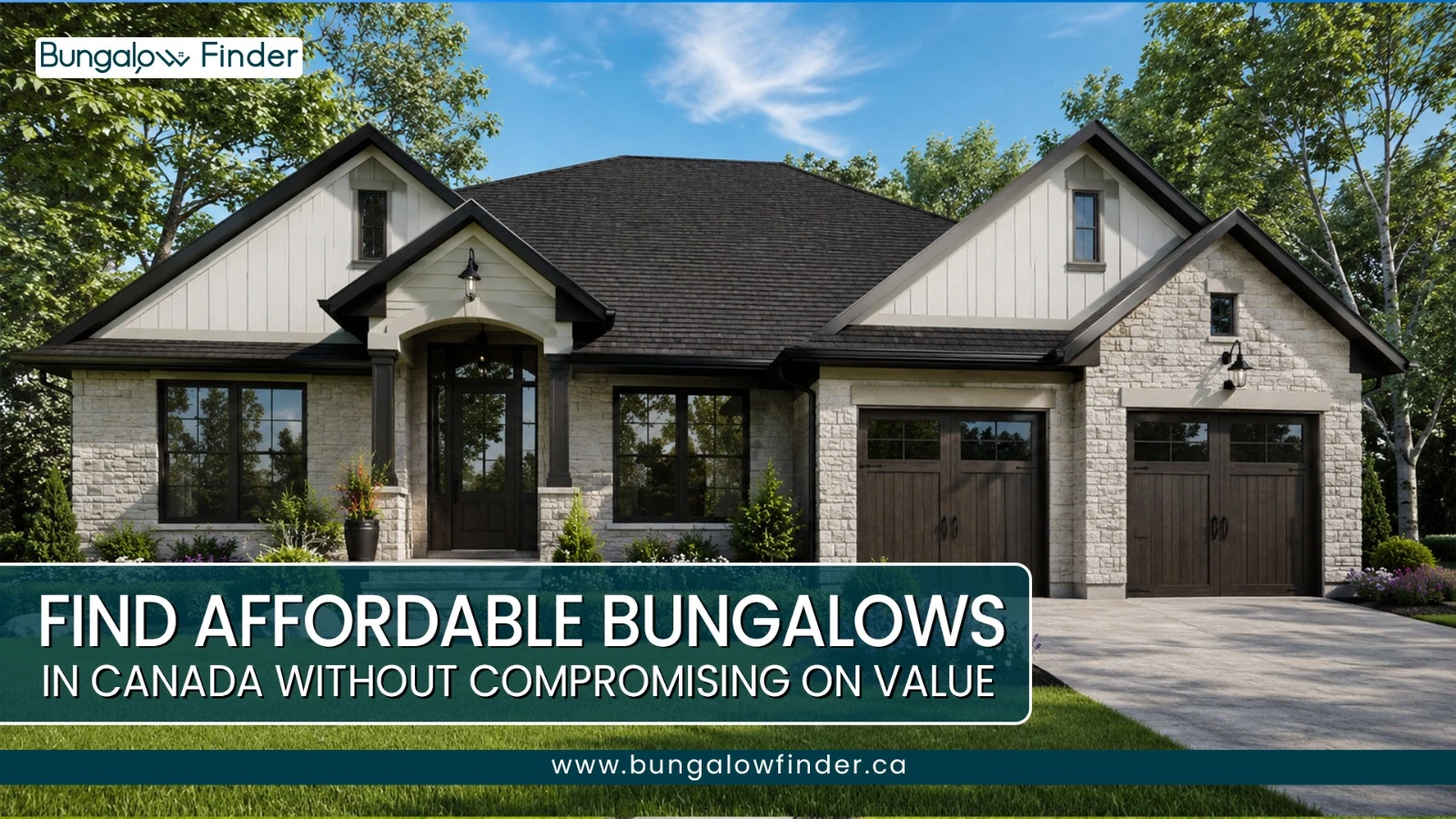
Finding affordable bungalows in Canada isn't about chasing the lowest price on the market. The smartest buyers know that a home's true value comes from the complete picture—its location, condition, future resale potential, and ongoing ownership costs. Spending a little more on the right property today can often save thousands in repairs later while offering stronger appreciation and even rental income opportunities.
This guide is designed for first-time buyers, families looking for extra space, retirees who prefer single-level living, and investors searching for long-term value. No matter your goal, understanding what makes a bungalow a smart purchase will help you make a more confident decision.
Canada's housing market looks very different from one region to another, which means the same budget can buy a modest bungalow in one city and a much larger property in another. While homes in major cities often carry premium price tags, many smaller communities and established neighbourhoods still offer excellent opportunities to buy quality bungalow homes in Canada without stretching your budget.
What Makes a Bungalow Affordable?
Affordability isn't determined by the listing price alone. A bungalow that appears inexpensive at first glance could require major repairs, while another with a slightly higher price may offer far better long-term value.
When comparing properties, consider the following:
Purchase price compared with recently sold homes nearby.
Lot size relative to the home's living space.
Overall condition of the property.
Buyer demand within the neighbourhood.
Renovation or repair requirements.
Property taxes and monthly carrying costs.
Imagine two detached bungalows for sale with similar asking prices. One has a newer roof, updated plumbing, and lower annual taxes, while the other needs significant repairs. Although the second home looks cheaper, the first is often the better investment because it reduces unexpected expenses after closing.
The goal isn't simply to find cheap bungalows in Canada—it's to find a home that offers lasting value for every dollar you spend.
What Really Determines a Bungalow's Value?
While listing price is important, it's only one part of the equation. Buyers who find the best value usually evaluate several factors before making a decision. The table below highlights the key elements that influence both affordability and long-term investment potential.
Factor | Why It Matters |
Purchase Price | Shows whether the home fits your budget. |
Property Condition | Well-maintained homes usually require fewer immediate repairs. |
Lot Size | Larger lots often appreciate faster and provide more future flexibility. |
Location | School districts, amenities, and transit significantly influence value. |
Monthly Ownership Costs | Property taxes, utilities, and maintenance affect long-term affordability. |
Basement Potential | A finished or rentable basement can increase resale value and generate income. |
Quick Tip: Don't judge a bungalow by its asking price alone. The best-value homes strike the right balance between affordability, location, condition, and future resale potential—making them a smarter investment over the long term.
Why Affordable Bungalows Still Matter
Housing trends have changed over the years, but bungalows continue to attract buyers for good reason. Their practical design makes everyday life simpler, whether you're raising children, planning for retirement, or simply prefer a home without multiple flights of stairs.
Beyond convenience, bungalows often provide benefits that remain attractive in almost every market:
More privacy than attached homes.
Larger yards for families or pets.
Flexible basement space.
Easier accessibility.
Consistent resale appeal.
Many older bungalows also feature generous lot sizes that are difficult to find in newer developments. Combined with solid construction and practical layouts, they continue to be one of the most sought-after property types in the Canadian bungalow market.
Best Places to Look for Value in Canada
If your search is limited to Canada's largest cities, you're likely overlooking some of the country's best buying opportunities.
Many buyers are now exploring smaller cities, suburban neighbourhoods, and established communities where detached homes remain within reach. These markets often provide larger lots, quieter streets, and better overall value than properties in expensive downtown locations.
If you're searching for better value, these markets deserve a closer look:
Thunder Bay for budget-friendly detached homes.
London and Windsor for balanced pricing and lifestyle.
Hamilton neighbourhoods with long-term redevelopment potential.
Ottawa suburbs that offer better value than the city core.
Edmonton and Calgary communities with competitive detached home prices.
Growing towns surrounding larger metropolitan areas.
As infrastructure expands and more Canadians embrace flexible work arrangements, these communities continue attracting buyers who want affordability without sacrificing quality of life.
How Location Changes Price
A bungalow's location can influence its value just as much as its size or condition. Two nearly identical homes may have very different prices simply because they're in different neighbourhoods.
Several local factors affect what buyers are willing to pay:
Distance from major employment centres.
School catchment areas.
Public transit access.
Daily commute times.
Parks, shopping, and healthcare services.
Neighbourhood safety and reputation.
Planned infrastructure and future development.
For example, buyers searching for affordable bungalows in Toronto often find significantly better value by expanding their search into surrounding communities. A slightly longer commute may provide a larger lot, lower purchase price, and greater long-term appreciation potential.
Looking beyond the city centre doesn't always mean compromising. In many cases, it means getting more home for your money.
Age of the Property
The age of a bungalow tells only part of the story. What's more important is how well the home has been maintained over the years.
Across Canada, post-war and mid-century bungalows remain popular because they're known for practical layouts, durable construction, and spacious lots. Many have already been updated, while others provide an opportunity for buyers to renovate gradually.
You'll commonly find:
Well-maintained resale homes requiring little work.
Renovated properties with modern kitchens and bathrooms.
Homes needing cosmetic improvements.
Newly built bungalows with contemporary finishes.
Older homes requiring structural repairs.
Fresh paint or new flooring shouldn't distract buyers from the bigger picture. A professional inspection may reveal that an older home with good bones is a far better purchase than a newer property hiding expensive structural issues.
That's why experienced buyers focus on the home's condition—not simply the year it was built.
Lot Value and Land Value
When buyers compare two similar bungalows, it's easy to focus on the kitchen, bathrooms, or recent upgrades. Experienced buyers, however, know that the land can be just as valuable as the home itself.
In many parts of Canada, land has continued to appreciate even when older homes require updates. That's why a bungalow on a larger lot or in a desirable neighbourhood can become a stronger long-term investment than a newer home on a smaller parcel.
Features that can increase a property's future value include:
Larger frontage
Spacious lots
Corner properties
Rebuild opportunities
Potential lot severance, where permitted
Redevelopment possibilities under local zoning regulations
If you're comparing bungalows for sale in Canada, don't overlook what's beyond the front door. A generous lot provides flexibility for future additions, outdoor living, or redevelopment opportunities where local zoning allows. Just as importantly, it can strengthen a property's resale value over time.
Of course, the land is only part of the equation. The home's interior—and particularly its basement—can also have a major impact on both everyday living and long-term value.
Basement Potential
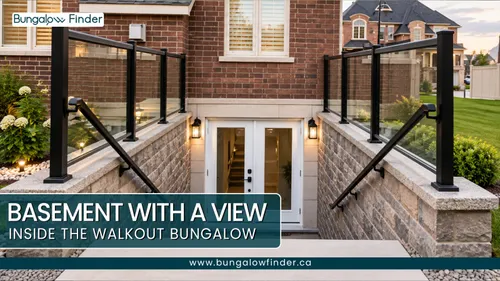
A bungalow's basement is often its most overlooked feature. Beyond adding extra square footage, it can increase resale appeal, create rental income opportunities, or simply give your family more room to grow.
A finished basement is ideal for larger families or anyone needing additional living space, while a partially finished basement offers the chance to renovate gradually without paying a premium upfront.
If the property includes a separate entrance, it may also qualify for a legal secondary suite, depending on local zoning and municipal regulations. That extra income can help offset monthly mortgage payments and improve the property's overall return on investment.
Even if renting isn't part of your plan, a basement can easily become a home office, gym, recreation room, guest suite, or extra storage space—features that continue to attract buyers in today's market.
Signs of a Good Deal
A low asking price doesn't automatically mean you've found a bargain. The best opportunities usually stand out because they offer more value than competing homes in the same neighbourhood.
Some positive signs include:
The property is priced competitively based on recently sold homes.
Only minor cosmetic updates are needed.
The roof and foundation are in good condition.
Electrical and plumbing systems have been updated.
The home has strong curb appeal.
The neighbourhood continues to attract steady buyer demand.
One of the smartest things you can do is compare sold prices, not just active listings. Asking prices reflect what sellers hope to receive, while sold prices show what buyers are actually willing to pay. That comparison provides a much clearer picture of a bungalow's true market value, especially when considering the history and value of Canadian bungalows.
Hidden Costs to Watch
Buying a home involves more than making a down payment. Some of the biggest expenses don't appear until after you've moved in.
Before making an offer, budget for costs such as:
Immediate repairs.
Renovations or upgrades.
Property taxes.
Home insurance.
Heating and cooling expenses.
Future roof replacement.
Window upgrades.
Foundation repairs if required.
A home that costs slightly more but has already been well maintained can often save you money over the next several years. Looking beyond the purchase price helps prevent costly surprises after closing.
What Buyers Should Inspect Before Making an Offer
No matter how attractive a bungalow looks during a showing, a thorough inspection is essential. Cosmetic improvements can hide issues that aren't immediately visible.
Pay close attention to:
Roof condition and expected lifespan.
Signs of moisture or water damage in the basement.
Foundation cracks.
Windows and insulation.
Electrical panel and wiring.
Plumbing system.
Furnace and air conditioning.
Exterior grading around the property.
Drainage away from the foundation.
Attic insulation and ventilation.
An inspection isn't just about finding problems—it's also a valuable negotiation tool. Knowing the home's condition before you buy can help you avoid unexpected expenses or negotiate a better purchase price.
Smart Ways to Find Value
The best deals aren't always the newest listings or the cheapest homes on the market. Buyers who consistently find value usually follow a strategy rather than relying on luck.
A few smart approaches include:
Compare recently sold homes instead of focusing only on asking prices.
Search in suburban communities and smaller cities where detached homes remain more affordable.
Consider homes that need light cosmetic improvements rather than major renovations.
Explore older neighbourhoods with mature trees and established amenities.
Review future transit projects and community development plans.
Work with a local real estate professional who understands neighbourhood trends.
When browsing bungalows for sale near me, don't rely solely on price filters. Look at property age, lot size, basement features, and how long a home has been on the market. Those details often reveal opportunities that other buyers miss.
Mistakes to Avoid
Buying an affordable bungalow should always be a well-informed decision, not an emotional one. A lower purchase price won't feel like a bargain if the home requires major repairs or proves difficult to sell later.
Common mistakes include:
Choosing a property simply because it's the cheapest option.
Underestimating renovation costs.
Ignoring the importance of location.
Overlooking local rules for basement suites.
Buying in an area with weak resale demand.
Skipping the home inspection.
Taking a little extra time to research the property, neighbourhood, and future ownership costs can save you thousands of dollars—and a great deal of stress.
Conclusion
Finding affordable bungalows in Canada isn't about finding the cheapest listing—it's about recognizing genuine value.
The right bungalow balances affordability with location, condition, land value, and long-term potential. A well-maintained home in a desirable neighbourhood will often outperform a cheaper property that comes with ongoing repair costs or limited resale appeal.
Whether you're buying your first home, downsizing for retirement, or adding an investment property to your portfolio, focusing on long-term value will always lead to a better decision.
Before making an offer, compare recent sold prices, research the neighbourhood, inspect the property carefully, and think beyond today's asking price. The best-value bungalow isn't always the cheapest one—it's the home that continues to reward you years after you receive the keys.
FAQ’s
What is the cheapest type of bungalow to buy in Canada?
Older resale bungalows that need cosmetic updates are often the most affordable. They usually offer good value because buyers can improve the home over time without paying the premium associated with fully renovated properties.
Which Canadian cities have affordable bungalows?
Communities such as Thunder Bay, London, Windsor, Red Deer, Regina, Edmonton, and many suburban areas surrounding larger cities continue to offer more affordable detached bungalow options than Canada's major urban centres.
Are older bungalows cheaper than new ones?
Generally, yes. Older bungalows often have lower purchase prices, although buyers should factor in maintenance costs and any upgrades the property may require.
Is an affordable bungalow a good first home?
Yes. Bungalows are popular with first-time buyers because they offer practical layouts, private outdoor space, and strong long-term resale potential.
What hidden costs should I expect?
Besides the purchase price, budget for property taxes, insurance, utilities, maintenance, repairs, and any renovations needed after closing.
Can I rent out the basement of a bungalow?
Many bungalows have excellent rental potential, especially those with separate entrances. Before renting a basement, check your municipality's bylaws and building requirements to confirm it qualifies as a legal secondary suite.
Is a bungalow better value than a townhouse?
That depends on your priorities. A bungalow typically provides more privacy, land ownership, and outdoor space, while a townhouse may offer a lower purchase price and reduced exterior maintenance.
How do I know if a bungalow is overpriced?
Compare the property with recently sold homes in the same neighbourhood, evaluate its condition, consider the lot size and recent upgrades, and review local market activity. If similar homes are selling for less, the asking price may need closer scrutiny. A knowledgeable local real estate professional can also help you determine whether a home is priced fairly.