Bungalow Renovations That Deliver the Highest ROI in 2026
Learn which bungalow renovations deliver the highest ROI in 2026. From kitchens to energy efficiency, discover what Canadian buyers truly value.

There’s a moment that happens during almost every bungalow showing. Buyers walk in, pause for a second, and you can tell what they’re thinking before they say it out loud. “I love the lot… but it needs work.”
That sentence sums up the bungalow conversation in Canada right now.
Bungalows are desirable. The lots are bigger. The layouts make sense long term. People like the idea of them. But in 2026, picking a home isn’t enough. Buyers want to know what’s been done, what still needs doing, and whether the asking price reflects reality.
That’s where renovations come in — and that’s also where a lot of money gets wasted.
Renovating a Bungalow Isn’t About Making It Trendy
One of the biggest mistakes bungalow owners make is assuming that modern design means dramatic change. Tear down walls. Add expensive finishes. Copy something they saw online. The problem is that buyers don’t evaluate bungalows the same way they assess new builds.
When it comes to bungalows, buyers are looking for reassurance. They want to feel that the home has been updated thoughtfully, not aggressively. Renovations that feel forced or overly stylised tend to raise questions rather than inspire confidence.
In 2026, the renovations that deliver the most substantial return are the ones that quietly improve how the home lives day to day.
Layout Changes That Buyers Feel, Even If They Don’t Notice Them
Older bungalows often feel boxed in, even when they’re not small. That usually comes down to how the space is divided rather than the square footage itself.
The best layout renovations don’t try to reinvent the house. They simply remove obstacles. Widening openings between rooms, allowing more natural light to move through the space, and improving how the kitchen connects to the living area can completely change how a bungalow feels.
What’s interesting is that buyers rarely say, “I love this structural change.” They just say, “This feels nice.” That reaction matters more than any design explanation.
Kitchens: Where ROI Can Go Wrong Fast
Kitchens are still important, but they’re also where ROI is most easily lost. In many bungalow renovations, the kitchen becomes the most expensive room in the house — and sometimes the least effective.
In 2026, buyers are paying attention to how kitchens function, not just how they photograph. A kitchen that looks high-end but feels awkward will be judged harshly. However, the kitchens that perform best usually aren’t oversized; they’re just sensible. Good storage. Proper lighting. Materials that feel durable rather than precious.
When a kitchen looks like it belongs in the house, buyers respond well.
Bathrooms Don’t Need to Impress — They Need to Reassure
Bathrooms are different. Buyers don’t need to love them. They just don’t want to worry about them.
In older bungalows, bathrooms are often where hesitation starts. Outdated fixtures, poor lighting, or awkward layouts can make buyers mentally add renovation costs before they even leave the room.
The highest-ROI bathroom renovations in 2026 are straightforward. Clean finishes. Modern fixtures. Nothing complicated. When a bathroom feels easy to maintain and clearly updated, it removes friction from the buying decision. That alone can affect the final sale price.
Energy Efficiency Has Become Part of the Conversation
A few years back, energy efficiency was more of a courtesy question. Buyers would ask about windows or heating, nod, and move on. That’s changed. Now they actually want to know what it costs to live in the house.
With bungalows especially, things like insulation, newer windows, and an updated heating system don’t always stand out at first glance. You won’t see them in photos. No one posts them online. But you feel them. The house stays warmer in winter, cooler in summer, and noticeably quieter.
Buyers may not point to those upgrades directly, but when they compare two similar homes, the comfortable one almost always wins.
Basements: Stop Overthinking Them
Basements are where many bungalow renovations lose direction. Some are left unfinished and feel like wasted space. Others are overbuilt and too specific.
In 2026, buyers prefer basements that give them options. A space that could be a family room today and a home office tomorrow is more appealing than one locked into a single use.
What matters is quality. Proper ceiling height, decent lighting, and finishes that match the rest of the home. A basement that feels like part of the house adds value. One that feels like an afterthought doesn’t.
Exterior Updates Matter More Than Most Owners Expect
The outside of a bungalow does more work than people realise. Before buyers step inside, they’ve already formed an opinion.
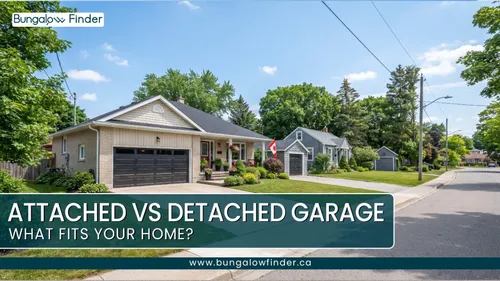
Minor exterior updates can quickly change that opinion. A new front door, refreshed landscaping, updated windows — these things signal care. They suggest that what’s inside has been looked after too.
In many cases, exterior improvements offer a better return than expensive interior upgrades, simply because they shape first impressions so strongly.
Why Consistency Beats Individual Upgrades
One of the most human reactions buyers have is discomfort with inconsistency. A modern kitchen paired with dated floors or mismatched finishes creates doubt. It makes people wonder what else hasn’t been addressed.
Bungalows that perform well tend to feel cohesive. Not perfect — cohesive. When finishes, colours, and materials make sense together, buyers feel more comfortable paying a premium.
This doesn’t require renovating everything at once. It requires thinking ahead.
Flexibility Is Quietly Driving Value
Buyers in 2026 are thinking beyond move-in day. They’re considering how long a home will work for them.
Bungalows already have an advantage here, and renovations that support flexibility only strengthen it. Main-floor bedrooms, adaptable spaces, and layouts that don’t feel rigid all add to a sense of long-term value.
Homes that feel adaptable feel safer. Safer homes sell better.
What “Highest ROI” Really Means in 2026
Return on investment isn’t just about resale price. It’s about speed, confidence, and negotiation.
Homes that feel thoughtfully renovated attract more substantial interest. They sell faster. They face fewer objections. Buyers spend less time looking for reasons to discount the price.
That’s what ROI looks like now.
Final Thoughts
Renovating a bungalow in 2026 isn’t about making a statement. It’s about making the home make sense.
The renovations that deliver the best returns are the ones buyers barely question. They walk in, feel comfortable, and then imagine their life there.
And when that happens, value usually follows.
FAQs
1. Are bungalow renovations really worth it in 2026?
Yes — but only when they’re done with restraint. Buyers are paying for homes that feel updated and easy to live in, not ones that look over-renovated.
2. Do energy-efficient upgrades actually affect resale value?
They do. Buyers may not call them out directly, but homes that feel comfortable and efficient consistently compare better.
3. What renovations don’t usually pay off?
Highly personal designs, luxury finishes, or overbuilt spaces often cost more than they return.