Bungalows for Sale in Canada Guide for Buyers 2026
Explore bungalows for sale in Canada with pricing, financing, and buying tips. Learn costs, locations, and what to check before making a purchase.
There’s a reason bungalows keep showing up in Canadian housing conversations. You’ll see them in older Toronto streets, quiet Calgary suburbs, and even newer pockets on the edge of smaller cities. They’re simple, practical, and for a lot of people, just easier to live in.
If you’re thinking about buying a bungalow in Canada, this guide walks through what actually matters. Not just the idea of it—but the costs, financing, neighborhoods, and the small things people only realize after they’ve already bought.
All About Bungalows And How They Come in Types
At the basic level, it’s a one-storey house: kitchen, bedrooms, living area—all on the same floor. Most of the ones you’ll see in Canada also come with a basement, which can either be finished, half-done, or just sitting there.
There isn’t just one type, either.
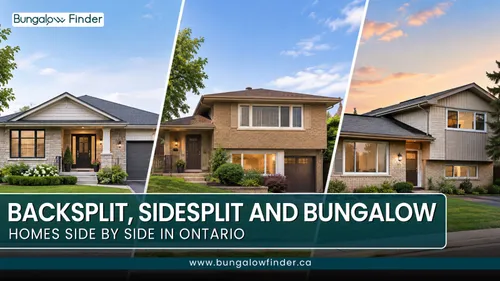
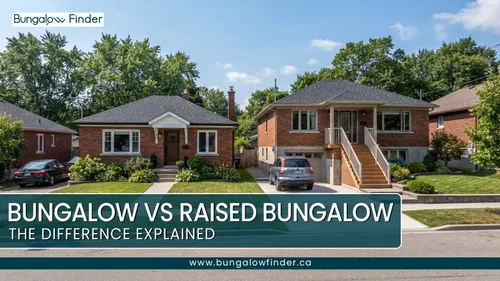
Detached bungalows are the usual—standalone, full lot. Semi-detached ones share a wall but keep the same general layout. Ranch-style homes spread out more horizontally, sometimes wider than you expect. Raised bungalows sit a bit higher, so the basement gets more light and doesn’t feel completely underground.
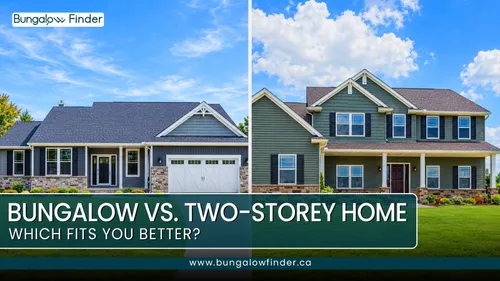
Compared to a two-storey house, you’re trading vertical space for convenience. Some people like that right away. Others realize later that they miss having a separation between floors.
What It Actually Costs to Buy a Bungalow in Canada
If you’re looking in Toronto or Vancouver, prices are high. That’s not new, but even older bungalows in average areas can cross the million mark. Sometimes you’re paying more for the lot than the structure.
Cities like Calgary or Edmonton are a bit more manageable, though prices have been rising there, too. Smaller towns still give you more space for what you spend, but then you’re trading off location and access.
The bigger issue is everything beyond the price.
Property taxes depend on the city and can feel fine at first, then not so much. Maintenance is a big one, especially with older homes, which most bungalows are. Roof issues, old wiring, plumbing that hasn’t been touched in years… it adds up.
Financing a Bungalow Purchase in Canada
Nothing unusual here, but the details matter more than people think. You’ll be choosing between fixed and variable mortgages like anyone else. Fixed gives you consistency. Variables can shift, which works for some people and stresses out others.
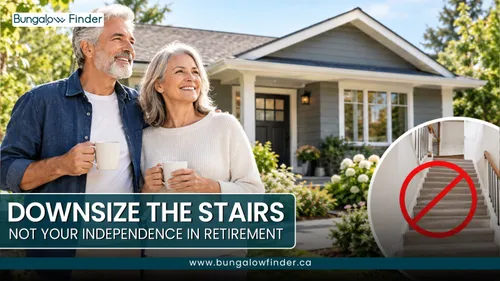
Finding bungalows for sale in Canada means securing a rare, stairs-free lifestyle and a solid lot in a high-demand market.
If your down payment is under 20%, you’ll be dealing with CMHC insurance. That’s standard, but it changes your total cost over time.
Closing costs catch a lot of buyers off guard. Legal fees, land transfer taxes, inspections—it’s not a small number.
It’s better to figure out what you’re comfortable paying monthly first, then work backwards. Not the other way around.
Choosing the Right Bungalow Location
This part gets repeated a lot, but it’s still where most mistakes happen.
You can change a house. You can’t really change where it sits.
Urban areas cost more, but they hold value. Suburbs give you space and a quieter setup. Rural areas can look appealing on paper, especially price-wise, but they come with longer drives and fewer nearby services.
Check what’s around the property, not just the property itself. Schools, transit, hospitals, even future construction plans—those things end up mattering later.
What to Look at When You Walk Through One
A lot of bungalows in Canada are older, so you have to look past the surface.
The foundation is the first thing—cracks, moisture, anything that looks off. Roof condition matters more than people think—it’s expensive to fix, same with plumbing and electrical.
The layout is hit or miss, depending on when the house was built. Some feel open, others feel chopped up into small rooms.
Then there’s the outside. Yard size, driveway space, overall condition. These things affect value more than people expect, especially in suburban areas.
Legal Side of Things While Buying a Bungalow
You’ll need a real estate lawyer. That’s standard.
They go through the agreement, handle the paperwork, and make sure everything lines up before closing. It’s not the exciting part, but it’s the part that protects you if something’s off.
Inspections and disclosures matter here, too. Skipping them to move faster usually doesn’t end well.
Tips for First-Time Bungalow Buyers in Canada
Think beyond right now. A bungalow might feel perfect today, but will it still work in a few years? That’s usually why people choose them in the first place.
Work with someone who knows the area properly, not just listings. And if you’re planning to renovate, check zoning early. A lot of ideas don’t get approved once you actually look into the rules.
Final Thoughts
Buying a bungalow in Canada sounds simple on the surface, but there’s a lot sitting underneath that decision.
For the right buyer, it works really well. Easy layout, long-term flexibility, solid demand. But only if you go into it knowing what you’re actually dealing with—costs, condition, and location.
If you’re at the stage where you’re seriously looking, take your time with it. The right one usually makes sense without you having to force it.
FAQs
Is buying a bungalow in Canada more expensive?
In bigger cities, usually yes. You’re often paying for the land more than the house itself, which pushes prices up.
Are bungalows a good choice for first-time buyers?
They can be, especially for simple, easy living. The only issue is that in high-demand areas, they’re not always the most budget-friendly option to start with.
What should I check before buying an older bungalow?
Focus on the important stuff first—foundation, roof, plumbing, and electrical. Cosmetic things can wait, but these can get expensive fast.