Moving to a Bungalow in Ontario What Buyers Must Know
Discover the real pros, cons, costs, storage limits, layout changes, and lifestyle shifts of moving to a bungalow in Ontario before downsizing.
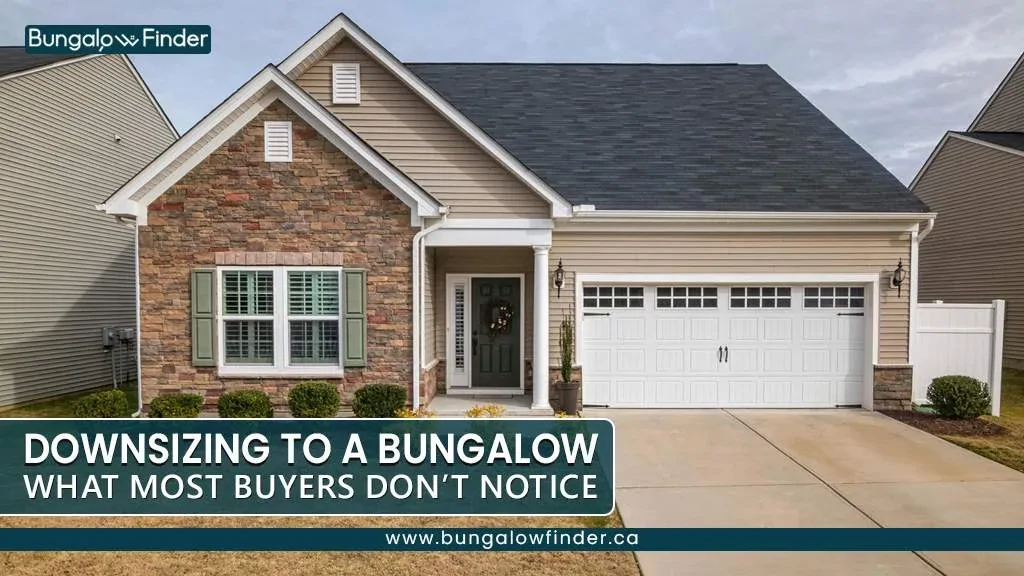
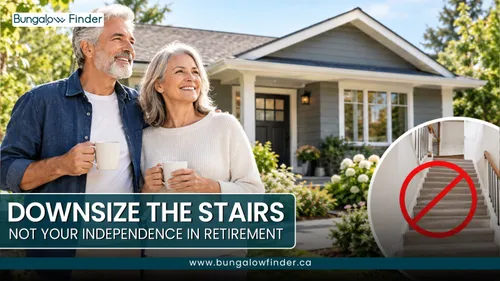
A lot of people hit a point in life where a bungalow suddenly seems like the right direction. You get tired of climbing stairs all day, or the kids are gone and you’re wondering why you’re heating rooms no one even walks into anymore. It feels like the natural next step: one floor, fewer headaches, easier routines. And honestly, for most people, it is the better move. But the part no one mentions is how different the adjustment actually feels once you’re inside the home and living in it day to day. The idea of downsizing sounds neat and tidy. The reality takes a bit more getting used to. A bungalow feels like an easier next step, but buyers should know the real shifts in one-floor living.
The First Thing People Misjudge: Storage
Most buyers walk into a bungalow and think, “This is perfect. Simple. Easy.” And it is — until you start realizing how much stuff from the old house needs a place to live. Two-storey homes quietly hide a lot of clutter. You’ve got closets that you never entirely empty, a basement where things pile up for years, and spare rooms holding boxes you forgot about.
A bungalow doesn’t hide anything. Whatever you bring has to fit. Older bungalows in the GTA and surrounding areas don’t usually come with generous closets. Some basements are great, but others aren’t ideal for storing everything.
Layout Surprises That Show Up Later
Another thing people don’t expect is how different a one-floor layout feels once you're actually living in it.
In a two-storey house, you have this natural separation between life and rest. However, in a bungalow, it’s all in one line. You hear everything. You see everything. Rooms that you expected to be quiet aren’t, and the spaces you thought were separate feel mashed together.
Some people like that. It feels cozy. Others find it annoying.
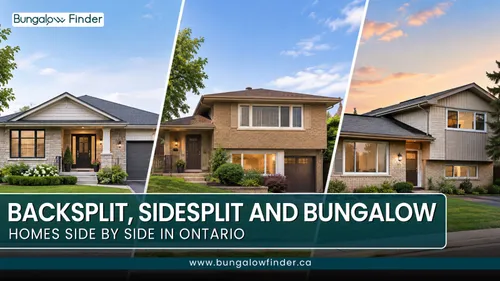
And forget about just opening walls. A lot of bungalows have walls that actually hold the house up. Knocking them down isn’t cheap. The “easy, open floor plan” you imagined usually costs more and takes longer than you think. Living on one floor is simpler in some ways, but it also makes you notice everything you never saw in a two-storey house.
Outdoor Work Doesn’t Always Shrink
Just because the house is smaller doesn’t mean the yard is.
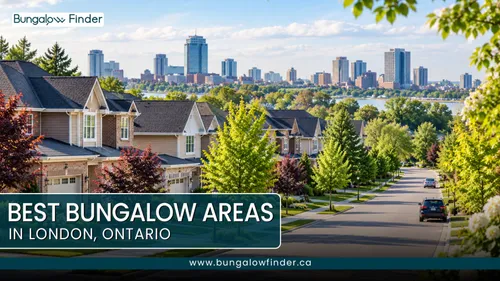
Some of the nicest bungalows in Mississauga, Oakville, and Burlington actually have big lots. That’s just how they were built back then. So even if you’re moving to a smaller house inside, you might still be spending the same amount of time mowing, shoveling, trimming, or raking as you did before.
Some people don’t mind it because they love having their own outdoor space. Others genuinely expect less maintenance and then discover the lot is nearly the same size as the one they came from. It really depends on the street, the age of the neighbourhood, and how the lot was shaped originally.
Privacy Works Differently When Everything Is Ground-Level
In a two-storey home, windows are higher than the street and neighbours, which gives natural privacy. Whereas in a bungalow, all windows are at ground level, so you’re at the same height as the street and anyone walking by. So, naturally, you might open the blinds one day in the morning and see a neighbour or someone walking a dog. Bedrooms feel closer to the street.
It’s not a problem, but it affects how you place rooms, choose window treatments, and use your yard.
Light behaves differently, too. Some bungalows get lots of sun at strange angles because nothing blocks it from above. Others feel shaded in spots you thought would be bright. It’s something most buyers don’t honestly notice until they’ve lived through a few different times of day.
Accessibility Isn’t Only About Stairs
A bungalow is usually chosen for long-term comfort. The no-stairs benefit is obvious. What’s less obvious is everything else that affects accessibility.
Doorways might be narrow. Bathrooms may not have space for future mobility needs. Entrances sometimes have two or three small steps that people overlook until later. Even hallway widths matter more than most people realize if they’re planning ahead.
You don’t need to renovate everything before moving, but it’s worth paying attention to it early rather than being surprised down the road.
The Price Reality Often Surprises Buyers
There’s a strange thing about bungalows in Ontario: they aren’t always the cheaper option. Because they’re in demand and there aren’t many available, the price per square foot can be higher than a similar two-storey home. Some buyers walk in expecting to save money and end up spending about the same, just on a smaller home with a different layout.
That said, resale value stays strong in neighbourhoods where people specifically look for bungalows. Mature areas with good walkability, established trees, and quiet streets tend to do better because downsizers and retirees love them.
The Mental Part of Downsizing Matters More Than the Physical Move
A lot of the adjustment happens in your head, more than in your floor plan. Moving from a larger home to a bungalow is basically choosing a simpler life on purpose. There’s a shift in what you keep, how you arrange things, and what you expect from your space.
Some buyers feel relief right away. Others take a few months to understand the new rhythm of a single-level home fully. The important thing is knowing that the change comes with trade-offs — most of them small, but still real.
FAQs
Q: Will I save on bills and maintenance?
A: Sometimes. Heating one floor helps, but big yards or older windows can keep costs high.
Q: How different is the layout?
A: Everything is on one floor. Noise travels, rooms feel closer, and privacy is less. It’s cozy for some, tricky for others.
Q: Is yard work easier?
A: Not always. Some lots are big, so you might spend as much time mowing and trimming as before.
Q: What should I check for accessibility?
A: Doorways, bathrooms, hallways, and small steps. Even minor things matter if mobility changes later.
Q: Are bungalows a good investment?
A: Usually yes. Downsizers and retirees look for them, so resale is strong—but location and lot size still matter most.