Why Bungalows Are in High Demand Across Ontario in 2026
Discover why bungalows are booming in Ontario’s housing market in 2026. Learn why buyers, retirees, families, and investors are competing for them.

Bungalows are turning heads in Ontario’s housing market this year. These single-level homes are selling faster and staying in demand longer than nearly every other property type. From retirees and families to downsizers and investors, competition is strong. So why are bungalows so sought after right now, and should you consider buying one in 2026? Here’s a look at what’s driving the market and what it means for potential buyers.
What’s Driving the Ontario Bungalow Boom
Three big forces are shaping why bungalows – especially detached bungalows in Ontario – are hotter than ever in 2026.
Everyone Loves the One-Level Life
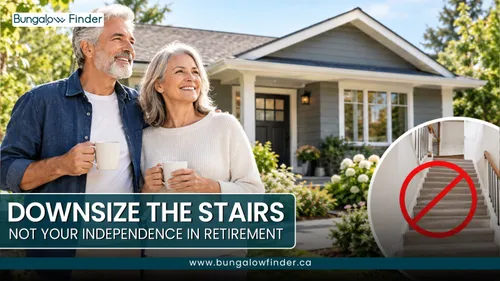
A bungalow’s defining feature is simple: everything is on one floor. That might sound basic, but it turns out basic is exactly what many buyers crave. For someone with kids, no stairs means safer mornings and smoother routines. For someone in their 50s or 60s, it means avoiding future mobility challenges or costly renovations. You don’t have to be retired to appreciate that ease – people in their 30s and 40s are choosing bungalows early because they don’t want to move again later. This accessibility is a huge draw that’s not going away any time soon.
Scarcity Meets Strong Demand
Unlike condo towers that keep rising or two‑storey subdivisions that can sprawl endlessly, true detached bungalows are limited. Most were built decades ago on large, mature lots. New construction of real bungalows is extremely rare in dense markets like the GTA – and that rarity keeps prices firm. In markets such as Mississauga and Niagara, original bungalows on nice lots are snapped up quickly because so few come up for sale, and buyers know that once one is gone, it may be years before another appears.
A Tight Market with Long Turnover
Across Ontario, the housing market in 2026 still has more buyers than sellers for many property types, especially freehold homes. Demand continues to exceed supply in detached markets, and this dynamic amplifies for those homes with broad appeal – including bungalows. The result is competitive conditions and properties often selling quickly once listed.
Who’s Buying and Why
Let’s break down which buyers are fiercely competing for bungalows for sale in Ontario and what they’re thinking.
Downsizers and Retirees
This is the most obvious group. Many baby boomers are reaching a point where climbing stairs is less appealing than spending time with family, travelling, or just enjoying their space. A bungalow lets them live comfortably without the physical strain of a two‑storey home. Outdoor space and yard access are big pluses here, too.
Midlife Couples Who Want One Home for the Long Haul
Younger buyers aren’t immune to the bungalow lure. People in their 40s and 50s often choose a single‑storey home so they don’t have to move again later. The market has shifted, too: with tight inventory and rising prices in many areas, locking in a home that works long term makes sense financially and lifestyle‑wise.
Investors and Secondary Suites
Especially in areas that allow legal basement units, some buyers are eyeing bungalows for the income potential. Finishing a basement to create a rental suite makes a bungalow attractive not just as a place to live, but as an investment property. A growing number of investors appreciate that flexibility.
| Buyer Group | Why They Buy | Key Considerations |
|---|---|---|
| Retirees / Downsizers | Avoid stairs for an easier daily life | Long-term comfort, yard access |
| Midlife Couples / Families | One home for a long-term, easier layout | Space for kids, renovations later |
| Investors / Rental Buyers | Rental income potential, flexible layouts | Legal basement suites, resale value |
| Buyers with Accessibility Needs | Ease of mobility, adaptable space | Wide doorways, single-level living |
Where Bungalows Are Especially Popular
We often see the strongest demand and competition in:
- Greater Toronto Area suburbs (Mississauga, Oakville, and Durham Region), where bungalows are older, and the inventory is tight.
- Niagara and Southern Ontario regions, where resale activity remains strong, and buyers are trading up from condos or townhomes.
- Smaller cities with broader affordability also attract buyers, though supply issues continue to be present.
Are Bungalows a Smart Buy in 2026?
This is the question most people really want answered. Here’s the honest assessment, grounded in current market trends and practical investing sense:
Yes — If You’re Planning to Live There Long-Term
Bungalows often offer stability. They’re built on land that tends to appreciate even during softer markets, and demand spans generations. In a balanced or even cooling market, homes that appeal to multiple buyer types tend to hold value better than niche property types.
Yes — If You Want Flexibility (Basement Suite, Renovation Potential)
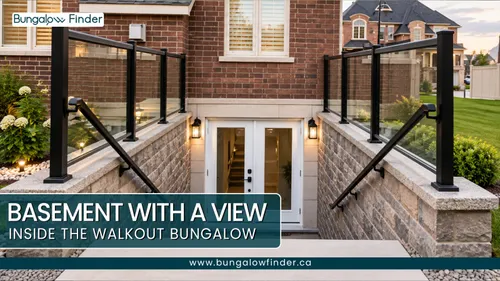
Unlike many two‑storey homes where upstairs/downstairs can be rigidly defined, most bungalow basements are easier to work with. Finished space can become family‑friendly or converted into a rental for income.
No — If You’re Focused Only on Short-Term Flips
These homes don’t always move in a straight price trajectory. There are pockets where price growth has plateaued or even dipped slightly in broader markets due to economic headwinds, interest rates, or wider housing trends. If your strategy is “buy now, sell in 12 months,” that could be harder to execute profitably with any property type right now, including bungalows.
Financing and Market Timing for Bungalow Buyers
If you’re thinking about buying a bungalow in Ontario right now, you need to be ready. Prices are high, inventory is low, and homes that fit this style don’t stick around for long. Having your financing sorted before you start looking can save a lot of stress. Getting pre-approved for a mortgage isn’t just paperwork — it can be the difference between landing the home you want and watching it go to someone else.
Interest rates matter too. Even a small change can affect what you can afford, so it’s worth talking to a lender early. Knowing your budget and your buying power lets you act confidently when the right property comes along.
Timing is everything. Bungalows often sell in days, sometimes hours. Working with a local agent who knows the market and upcoming listings gives you a real advantage. When a property checks your boxes, being able to move fast with a ready offer is key.
Lastly, think about your plan for the long term. Are you buying to live there for years or as an investment? Either way, being prepared on financing and timing helps you avoid unnecessary stress, beat the competition, and make a purchase that fits your life now and in the future.
Practical Advice for Buyers
If you’re seriously considering bungalows for sale in Ontario in 2026:
- Know your priorities. Do you want space? Accessibility? Rental potential? That will shape where you look and what you’re willing to pay.
- Get ahead on financing. In a fast‑moving market, having your mortgage pre‑approved and numbers ready helps you act decisively.
- Work with a local realtor. Bungalow inventory moves fast. Knowing who has listings coming up can make all the difference.
Final Take
Bungalows have always had fans. In 2026’s Ontario market, they’re more than a nostalgic choice — they’re a strategic one. Whether it’s for aging in place, downsizing without compromise, or investing with flexibility on your side, bungalows check a lot of boxes that buyers across age groups care deeply about.
That broad appeal is exactly why they remain one of the most in‑demand property types right now.