New Construction vs Resale Homes in Ontario: Complete Guide
Compare new construction vs resale homes in Ontario. Learn hidden costs, warranties, financing, timelines, and expert tips to choose the right home.
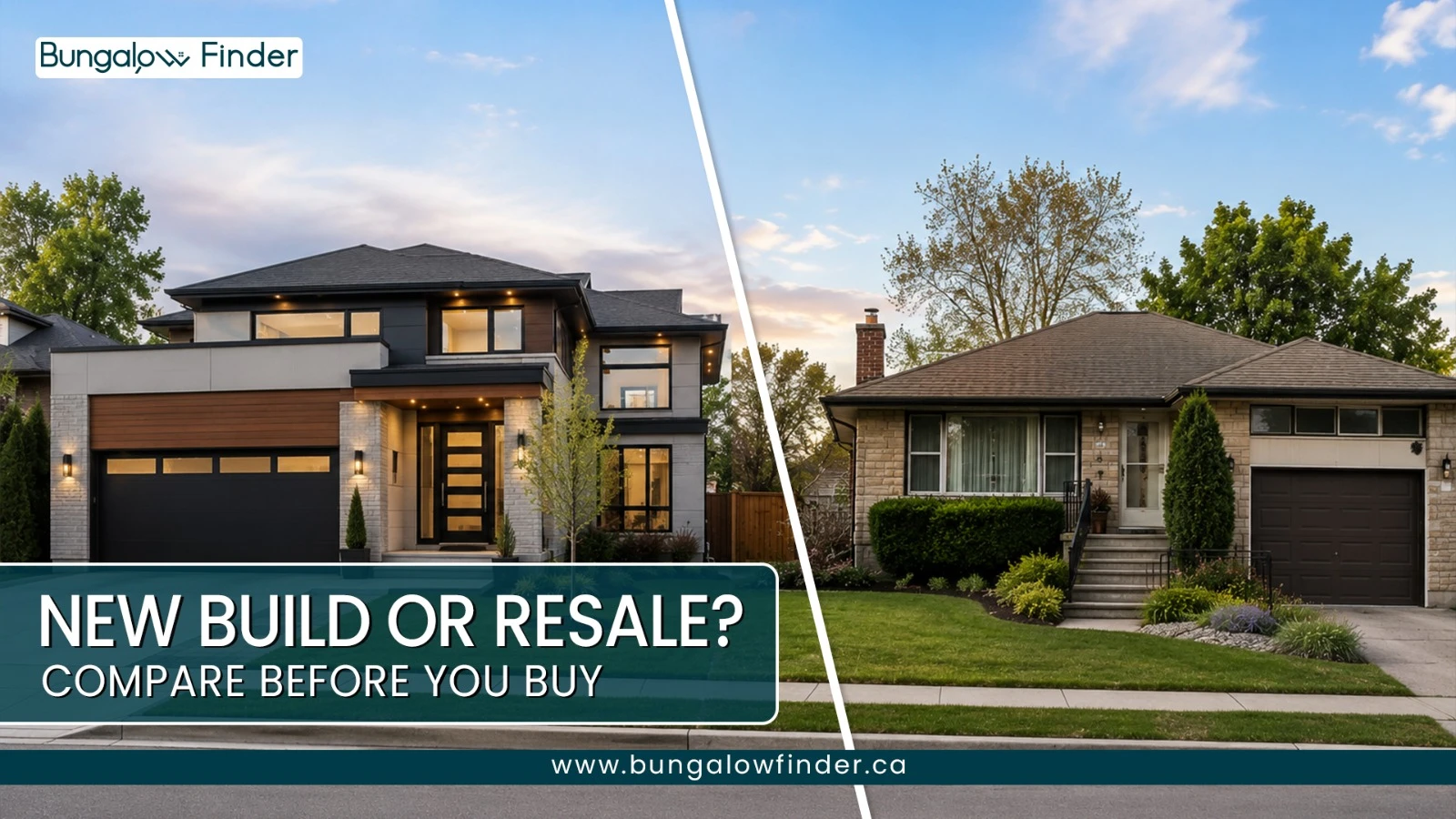
Buying a home is one of the biggest financial decisions you'll ever make. One of the first questions you'll face is whether to purchase a new construction home or an existing resale property. While both options can be excellent investments, the right choice depends on your budget, lifestyle, timeline, and long-term goals.
In Ontario's evolving housing market, buyers are weighing more than just the purchase price. Rising construction costs, new government incentives, changing mortgage rules, hidden builder fees, and increasing demand for move-in-ready homes have made the decision more complex than ever.
New construction homes attract buyers with modern layouts, energy-efficient features, builder warranties, and customization opportunities. On the other hand, resale homes offer immediate possession, established neighbourhoods, mature landscaping, and greater pricing certainty.
The challenge is understanding what you're really paying for. A new build may appear attractive at first glance, but additional upgrades, development charges, utility connection fees, and other closing costs can significantly increase your overall investment. Meanwhile, a resale home may have a lower purchase price but could require renovations or ongoing maintenance shortly after moving in.
This guide compares new construction vs. resale homes in Ontario from every important angle, including purchase price, hidden costs, financing, warranties, energy efficiency, customization, move-in timelines, and long-term value. Whether you're a first-time homebuyer, an investor, or searching for your forever bungalow, you'll have the information you need to make a confident decision.
New Construction vs Resale Home at a Glance
Feature | New Construction | Resale Home |
Purchase Price | Usually higher | Often lower |
Move-In Time | Months or years | Usually 30–90 days |
Customization | High | Limited |
Warranty | Tarion Warranty | Usually none |
Energy Efficiency | Excellent | Depends on home's age |
Maintenance | Very low initially | May require repairs |
Hidden Costs | Higher | More predictable |
Neighbourhood | Developing communities | Mature communities |
Deposit Structure | Installments over time | Single deposit after accepted offer |
Renovation Needs | Minimal | Maybe immediate |
While this table provides a quick overview, each category has important details that can dramatically affect your buying decision.
What Is a New Construction Home?
A new construction home is a property that has never been occupied before. These homes are built by developers or builders and sold directly to buyers either before construction begins, during the building process, or after completion.
New construction homes generally fall into three categories:
Pre-Construction Homes
These properties are purchased before construction is completed. Buyers often sign an Agreement of Purchase and Sale months or even years before taking possession. Deposits are usually spread across multiple installments while the home is being built.
Inventory Homes
Sometimes called "quick possession homes," these are already completed or nearing completion. Buyers can often move in much sooner than with a traditional pre-construction purchase.
Custom Homes
Custom-built homes allow buyers to work directly with builders to design floor plans, select finishes, and personalize nearly every aspect of the property.
One of the biggest attractions of new construction is the opportunity to own a home built according to modern building standards with the latest technology and materials.
What Is a Resale Home?
A resale home is any property that has been previously owned and occupied. Instead of purchasing directly from a builder, buyers purchase from an existing homeowner.
Unlike new construction, resale homes already have a documented history. Buyers can inspect the property, review maintenance records, evaluate the surrounding neighbourhood, and often negotiate the purchase price.
Resale homes are available in virtually every Ontario community, from large cities like Toronto, Mississauga, and Ottawa to smaller towns and rural areas.
Many buyers prefer resale properties because they know exactly what they're purchasing. The landscaping is complete, the neighbourhood is established, and there are usually fewer surprises during the buying process.
Purchase Price: Which Option Costs Less?
Purchase price is often the first factor buyers compare, but the advertised price rarely tells the full story.
New Construction Homes
New construction homes generally command higher prices because buyers are paying for modern designs, brand-new materials, updated building codes, and energy-efficient construction.
Builders also include a premium for:
Modern architecture
Smart home technology
Improved insulation
Higher efficiency HVAC systems
New plumbing and electrical systems
Builder warranties
While the base price may appear competitive, buyers frequently spend thousands—or even tens of thousands—on upgrades before the home is completed.
Resale Homes
Resale homes are often less expensive upfront, especially in established neighbourhoods where prices reflect the home's age and condition.
Another advantage is pricing flexibility. Sellers may negotiate based on market conditions, inspections, financing, or closing dates. In slower markets, buyers often have greater negotiating power than they would with a builder offering fixed pricing.
However, an older home's lower purchase price should always be balanced against potential renovation and maintenance costs.
The Hidden Costs Most Buyers Don't Expect
One of the biggest mistakes buyers make is assuming the listed purchase price represents the total cost of ownership. This is especially true with new construction homes.
Many expenses only become apparent after signing the purchase agreement.
Hidden Costs of New Construction Homes
Builder Upgrades
Model homes showcase premium finishes that are rarely included in the advertised base price.
Buyers often pay extra for:
Hardwood flooring
Premium kitchen cabinets
Quartz or granite countertops
Upgraded lighting
Luxury bathroom fixtures
Staircase upgrades
Larger windows
Electrical upgrades
Smart home packages
What begins as a modest upgrade appointment can quickly add thousands to the final purchase price.
Development Charges
Builders may pass municipal infrastructure costs to buyers.
These can include expenses related to:
Roads
Parks
Schools
Municipal services
Community improvements
Depending on the municipality, development charges can add several thousand dollars to your closing costs.
Utility Connection Fees
Connecting water, electricity, natural gas, and other municipal services often involves additional charges that many buyers overlook.
Tarion Enrollment Fee
Ontario requires most newly built homes to be enrolled in the Tarion Warranty Program. While this provides valuable warranty protection, buyers should budget for the enrollment fee during closing.
Landscaping Expenses
Many builders deliver homes with minimal landscaping.
Additional expenses may include:
Sod installation
Backyard fencing
Deck construction
Patio installation
Driveway paving
Garden landscaping
These improvements can substantially increase the cost of moving into a brand-new home.
Hidden Costs of Resale Homes
Resale homes usually involve fewer builder-related fees, but buyers should still budget for potential repairs.
Common expenses include:
Roof replacement
Furnace upgrades
Water heater replacement
Plumbing repairs
Electrical improvements
Window replacement
Kitchen renovations
Bathroom updates
Basement waterproofing
Unlike new construction, these costs vary significantly depending on the home's age and previous maintenance.
A professional home inspection helps identify many of these issues before closing.
Understanding Closing Costs
Closing costs are expenses paid when ownership officially transfers from the seller or builder to the buyer.
While both new construction and resale purchases involve closing costs, new construction often includes additional builder adjustments that buyers may not anticipate.
Typical closing costs include:
Legal fees
Title insurance
Land Transfer Tax
Registration fees
Mortgage registration
Property tax adjustments
New construction buyers may also encounter:
Development charges
Utility hookup fees
Builder adjustments
Tarion enrollment fees
Education levies
Parkland levies
Meter installation charges
These additional costs make budgeting especially important when purchasing directly from a builder.
HST: A Major Difference Between New and Resale Homes
Taxes represent one of the most significant differences between purchasing a new construction home and buying a resale property.
New Construction
New homes are generally subject to Harmonized Sales Tax (HST). In many cases, builders advertise prices assuming buyers qualify for applicable new housing rebates, but eligibility depends on factors such as how the property will be used.
Because tax rules and rebate programs can change, buyers should carefully review their purchase agreement and confirm how HST is being handled before signing.
Resale Homes
Most resale residential homes do not have HST added to the purchase price in the same way as newly built homes, making the transaction more straightforward for many buyers.
Understanding the tax treatment before making an offer can prevent costly surprises during closing.
Tarion Warranty: Protection That Comes With New Homes
One of the strongest advantages of buying a newly built home in Ontario is warranty coverage.
Most new homes are protected under the Tarion Warranty Program, which helps cover specific defects and construction-related issues for qualifying properties.
Depending on the type of issue, coverage can include:
Workmanship defects
Material defects
Water penetration
Building envelope issues
Major structural defects
This warranty provides buyers with peace of mind during the first several years of homeownership.
Resale homes generally do not include this type of builder-backed warranty. Once the purchase is complete, responsibility for future repairs typically belongs to the new owner.
Energy Efficiency: Lower Bills Over Time
Energy efficiency has become a major consideration for today's homebuyers.
New construction homes are designed to meet modern building standards and typically include:
Better insulation
High-performance windows
Energy-efficient HVAC systems
Improved ventilation
Water-saving plumbing fixtures
LED lighting
Smart thermostats
These features can reduce monthly utility costs while improving year-round comfort.
Older resale homes vary widely depending on when they were built. Some have already been upgraded with modern equipment, while others may require significant improvements to achieve similar energy performance.
When comparing two properties, buyers should consider not only the purchase price but also the long-term operating costs.
Customization: Designing a Home That Fits Your Lifestyle
One of the biggest reasons buyers choose new construction is personalization.
Depending on the stage of construction, buyers may be able to select:
Floor plans
Kitchen layouts
Cabinet styles
Flooring materials
Countertops
Paint colours
Bathroom finishes
Lighting packages
Interior doors
Hardware selections
This allows homeowners to move into a property that reflects their personal style without needing immediate renovations.
With resale homes, customization usually happens after closing. While renovations offer flexibility, they also require additional time, planning, and budget.
Move-In Timeline: How Soon Can You Get the Keys?
Timing is another major difference between new construction and resale purchases.
New Construction
Buying pre-construction often requires patience. Depending on the project's stage, buyers may wait many months—or even several years—before taking possession. Construction schedules can also change due to weather, labour shortages, supply chain disruptions, or permitting delays.
For buyers with flexible timelines, the wait may be worthwhile in exchange for a brand-new home tailored to their preferences.
Resale Homes
Resale properties typically offer much faster possession. Once the purchase agreement is finalized and financing is approved, buyers can often move in within 30 to 90 days, depending on the negotiated closing date.
For families relocating quickly, professionals changing jobs, or buyers who need immediate housing, resale homes often provide the most practical solution.
Financing and Deposit Requirements
Financing works differently for new construction and resale homes, and understanding these differences can help you avoid unexpected financial challenges.
Financing a New Construction Home
When purchasing a new construction home, builders usually require deposits in stages rather than a single payment. Depending on the project, buyers may make several deposit payments over months or even years before the home is completed.
Although this phased approach gives buyers more time to save, it also means your mortgage isn't finalized until the property is ready for closing. If interest rates increase or your financial situation changes during construction, you may need to requalify for your mortgage under different lending conditions.
For this reason, buyers should avoid taking on additional debt, changing jobs without careful planning, or making large financial commitments before closing.
Financing a Resale Home
Resale purchases generally follow a simpler financing process. After your offer is accepted, you finalize your mortgage approval, complete the home inspection, and prepare for closing.
Because the purchase timeline is much shorter, buyers usually have greater certainty regarding mortgage rates, monthly payments, and financing approval.
For many first-time buyers, this predictability makes resale homes easier to budget for.
Maintenance Costs: Short-Term Savings vs Long-Term Planning
Maintenance expenses are another important factor when comparing new construction and resale homes.
New Construction Homes
A brand-new home typically requires very little maintenance during the first several years.
Major systems such as the roof, furnace, plumbing, electrical wiring, and windows are all newly installed, reducing the likelihood of unexpected repairs.
Instead of worrying about replacing aging components, homeowners can focus on furnishing and enjoying their new property.
However, "maintenance-free" doesn't mean "cost-free." Homeowners should still budget for routine maintenance, seasonal servicing, landscaping, and future repairs as the home ages.
Resale Homes
Maintenance costs for resale homes vary depending on age, previous renovations, and overall condition.
Older homes may require repairs such as:
Roof replacement
Furnace servicing or replacement
Plumbing upgrades
Electrical improvements
Foundation repairs
Window replacement
Driveway repairs
Exterior painting
A detailed home inspection helps buyers understand these potential costs before completing the purchase.
While some resale homes have already undergone extensive renovations, others may require significant investment over the coming years.
Established Neighbourhood vs New Community
The neighbourhood itself often has as much impact on your lifestyle as the home you purchase.
Benefits of Established Neighbourhoods
Resale homes are commonly located in mature communities that already offer:
Large trees
Parks
Established schools
Public transit
Shopping centres
Restaurants
Medical facilities
Recreation centres
These neighbourhoods often have a stronger sense of community because residents have lived there for many years.
Lot sizes are also frequently larger than those found in newer subdivisions.
Benefits of New Communities
New developments offer a different experience.
Many features:
Modern streetscapes
Newly built schools
Community parks
Walking trails
Updated infrastructure
New retail developments
Recreation facilities planned for future growth
While some amenities may still be under construction during the early years, buyers benefit from living in a modern community designed around today's lifestyle.
The choice depends on whether you value established surroundings or prefer growing alongside a new neighbourhood.
Investment Potential and Long-Term Appreciation
Many buyers view their home as both a place to live and a long-term investment.
New Construction Homes
New developments often experience appreciation as the surrounding community grows.
When schools, parks, shopping centres, and transportation improvements are completed, property values may increase alongside neighbourhood demand.
However, appreciation depends heavily on location, local housing supply, economic conditions, and overall market performance.
Resale Homes
Homes in established neighbourhoods often demonstrate stable long-term appreciation because they are located in areas with limited land availability and consistent buyer demand.
Properties near downtown districts, transit routes, waterfronts, and established employment centres may continue attracting buyers for decades.
Rather than assuming one option always performs better than the other, buyers should evaluate each property's location, market conditions, and long-term growth potential.
New Construction vs Resale: Pros and Cons
New Construction Advantages | New Construction Disadvantages |
Brand-new home | Higher purchase price |
Modern layouts | Longer wait times |
Energy-efficient construction | Builder upgrades increase costs |
Tarion warranty protection | Potential construction delays |
Low maintenance initially | Higher closing adjustments |
Customization options | Developing neighbourhoods |
Resale Home Advantages | Resale Home Disadvantages |
Immediate move-in | Possible repairs |
Established neighbourhoods | Older building systems |
Larger lots | Limited customization |
More predictable pricing | Less energy efficient |
Easier financing timeline | Renovation expenses |
Greater negotiation opportunities | No builder warranty |
New Construction vs Resale Bungalows
For buyers specifically searching for bungalows, the decision involves additional considerations.
Why Buyers Choose New Construction Bungalows
Newly built bungalows appeal to buyers looking for convenience, accessibility, and modern living.
Benefits include:
Open-concept layouts
Wider hallways
Minimal stairs
Modern kitchens
Energy-efficient construction
Smart home technology
Lower maintenance
Builder warranty protection
Many retirees and downsizers appreciate these features because they reduce future maintenance while supporting long-term accessibility.
Why Buyers Choose Resale Bungalows
Resale bungalows remain extremely popular throughout Ontario for several reasons.
Older bungalow communities often feature:
Larger lots
Mature landscaping
Quiet streets
Bigger backyards
Solid construction
Finished basements
Established neighbourhoods
Many resale bungalows also offer renovation opportunities that allow buyers to modernize the property while preserving its character.
Because bungalow inventory is often limited, desirable properties in established neighbourhoods tend to attract strong buyer interest.
Which Option Is Better for First-Time Buyers?
There isn't a single answer that works for everyone.
A new construction home may be the better choice if you:
Want a brand-new property.
Prefer modern finishes.
Have a flexible move-in timeline.
Value energy efficiency.
Appreciate warranty protection.
Don't mind waiting for completion.
A resale home may be a better fit if you:
Need to move quickly.
Prefer established neighbourhoods.
Want greater price flexibility.
Plan to renovate over time.
Value mature landscaping and larger lots.
Prefer knowing exactly what you're buying before closing.
The best decision depends on your financial situation, lifestyle, and long-term plans rather than simply choosing the newest property available.
Final Verdict: Which Home Is Right for You?
Choosing between a new construction home and a resale property isn't about finding a universally better option—it's about finding the one that aligns with your priorities.
If you value customization, modern technology, energy efficiency, and the peace of mind that comes with a builder warranty, a new construction home may be worth the additional investment and longer wait.
If your priorities are immediate possession, established neighbourhoods, predictable costs, and greater flexibility in negotiations, a resale home may offer better overall value.
For bungalow buyers in Ontario, both options present excellent opportunities. A newly built bungalow provides contemporary comfort and minimal maintenance, while a resale bungalow often delivers larger lots, mature surroundings, and the chance to add value through thoughtful renovations.
Before making your final decision, compare not only the purchase price but also the total cost of ownership, including closing costs, maintenance, financing, taxes, neighbourhood characteristics, and your long-term lifestyle goals. Taking a comprehensive approach will help ensure that the home you choose is not only the right investment today but also the right place to call home for years to come.
FAQ’s
Is buying a new construction home more expensive than buying a resale home?
In many cases, yes. New construction homes often have higher purchase prices and may include additional costs for upgrades, development charges, and builder adjustments. However, they typically require less maintenance during the early years of ownership.
Are resale homes a better investment?
Not necessarily. Both new construction and resale homes can appreciate over time. Location, neighbourhood demand, local economic conditions, and property maintenance usually have a greater influence on long-term value than whether the home is new or previously owned.
Do new homes come with a warranty?
Most newly built homes in Ontario include Tarion warranty coverage, which protects eligible buyers against certain defects and structural issues for specified periods.
Should I get a home inspection for a resale property?
Absolutely. A professional home inspection helps identify existing or potential issues with the roof, foundation, plumbing, electrical systems, HVAC equipment, insulation, and other major components before you finalize the purchase.
Which option is better for downsizers?
Many downsizers prefer new construction bungalows because of their modern layouts, accessibility features, and lower maintenance requirements. Others choose resale bungalows for their larger lots, established communities, and renovation potential.