Mississauga Housing Market Trends 2026 Explained
Explore Mississauga housing market trends 2026, including home prices, interest rates, inventory, and why bungalows remain in strong demand.

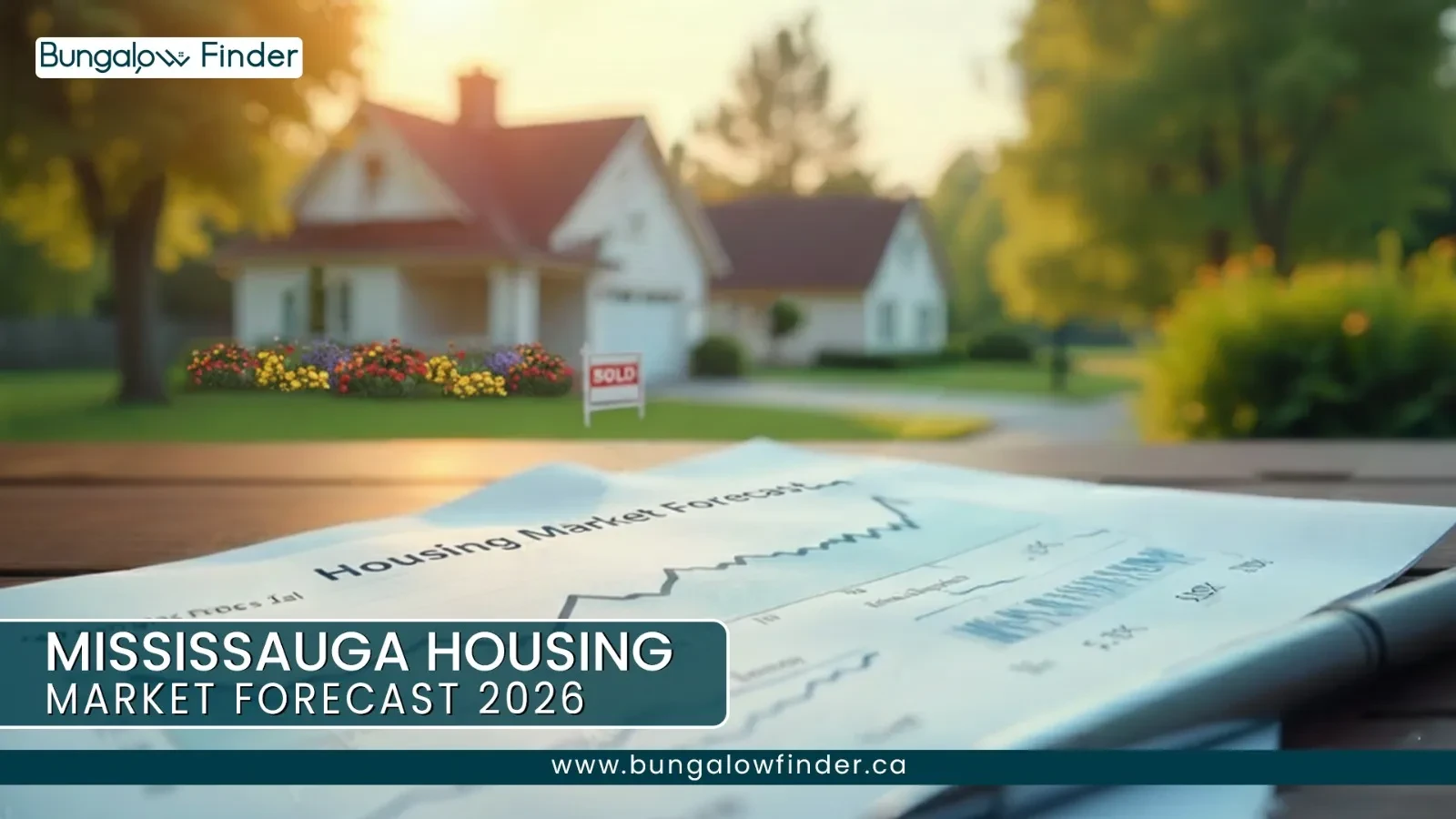
As we move into 2026, the noise around the Mississauga housing market is fading, and what’s left is a clearer picture of where things are actually headed.
For anyone watching closely, the Mississauga housing market trends 2026 aren’t about prices shooting up or falling off a cliff. It’s about balance. Buyers and sellers are both adjusting to a market that feels more grounded and realistic than it has in a long time.
A Market That Feels Normal Again
One of the most significant differences going into 2026 is how routine the market normalcy is. Buyers aren’t rushing into decisions out of fear anymore. Sellers aren’t expecting instant multiple offers just for listing a home. Instead, both sides are taking a more thoughtful approach.
The Mississauga real estate forecast 2026 points toward more activity, but not because of hype or urgency. People are getting back into the market because they feel comfortable planning again. Financing is easier to understand. Monthly payments feel manageable. Buyers are thinking long-term instead of reacting emotionally.
That shift back to a more typical market isn’t a setback—it’s a good thing. It creates better decisions and smoother transactions for everyone involved.
Mississauga Home Prices 2026: Forecast for Buyers and Sellers
Home prices in Mississauga are in line to experience similar shifts as last year. As buyers are placing more importance on space, flexibility, and long-term livability, detached homes are continuing to outperform condos.
This gap between property types isn’t new, but it’s becoming more noticeable.
The idea that prices must either “explode” or “crash” simply doesn’t match what’s happening on the ground. In reality, pricing in 2026 is more about stability than excitement. Homes that are priced correctly are selling. Homes that aren’t are being passed over—something that wasn’t always the case in past years.
| Market Area | What It Really Means in 2026 |
|---|---|
| Overall Market | The Mississauga market has settled into a balanced phase where prices, demand, and expectations feel realistic rather than rushed or speculative. |
| Buyer Behaviour | Buyers are calm, informed, and taking time. Decisions are based on affordability and long-term plans, not fear of missing out. |
| Home Prices | Prices are mostly stable. Well-priced homes are selling, while overpriced listings are being ignored rather than chased. |
| Interest Rates | Rate stability has improved confidence. Buyers can plan monthly payments more clearly, leading to stronger and cleaner offers. |
| Inventory | More listings mean more choice. Buyers can compare options, negotiate, and include conditions without losing every deal. |
| Bungalow Market | Bungalows remain in demand due to limited supply, strong land value, and appeal to downsizers, families, and investors. |
| Location Impact | Established neighbourhoods with transit and mature lots are holding value better than average areas. |
| Buyer Advantage | 2026 gives buyers something rare: time to think, negotiate, and walk away if the numbers don’t make sense. |
| Seller Reality | Sellers need honest pricing and good presentation. Quality bungalows still sell, but only when priced correctly. |
How 2026 Interest Rates Affect Mississauga Buyers
While prices get most of the attention, interest rates continue to play the most significant role in buyer behaviour. Heading into 2026, the GTA housing market outlook 2026 suggests fewer surprises when it comes to borrowing costs, a trend also discussed by Ragona Sisters: Canadian Real Estate & Market Talk.
This doesn’t mean rates will suddenly drop to historic lows. What it does mean is consistency—and consistency builds confidence. Buyers are far more willing to move forward when they understand exactly what their payments will look like six months or a year from now.
Stable rates don’t just help buyers. They help sellers, too. When buyers feel confident about financing, offers become stronger and deals are more likely to close without complications.
Inventory Levels and Buyer Behaviour
Another noticeable change is in inventory.
These days, buyers now have more options to choose from than they did during the tightest years of the market. Mississauga isn’t oversupplied, but the increase in listings has changed how buyers approach the process.
The thing is, people are finally taking their time. They’re visiting more homes, asking better questions, and including conditions where it makes sense. That doesn’t mean homes aren’t selling—it just means buyers are being selective.
From a market standpoint, this is healthy. It leads to more realistic pricing, fewer deals falling apart, and a smoother experience overall.
Tips for Buyers in 2026
Right now, buyers have the space to make smart, well-thought-out decisions. Start by getting your financing in place, then take time to view homes properly. There’s no need to rush or stretch beyond what makes sense. If the numbers don’t line up, stepping back is often the right move.
Why the Bungalow Market in Mississauga Is Different
Bungalows continue to stand out as one of the most resilient housing types in Mississauga, and 2026 is no exception.
The most significant factor is supply. There simply aren’t many bungalows available, and very few new ones are built. Once a bungalow neighbourhood is established, that inventory stays limited. This scarcity creates long-term demand that doesn’t disappear when the broader market slows.
The buyer pool is also vast. Downsizers value the single-level layout. Families appreciate the lot size and outdoor space. Others see bungalows as long-term investments or future rebuild opportunities. Because demand comes from multiple directions, the market for bungalows remains active even during quieter periods.
That’s why Mississauga bungalows for sale often attract steady interest regardless of broader market conditions.
Location Still Matters—Maybe More Than Ever
Not all parts of Mississauga perform the same, and that reality has become clearer in balanced markets. If the areas comprise established communities, good transit access, and mature lots, buyers are automatically attracted to the long-term charm.
In these neighbourhoods, bungalows often hold their value better and sell more consistently. Buyers aren’t just purchasing a home—they’re buying into a lifestyle and a location they plan to stay in for years.
What This Market Means for Buyers
For buyers, 2026 offers something that hasn’t been available in a while: time.
All keen buyers have been on the lookout for a reasonable duration of time to evaluate options, time to negotiate, and time to make decisions without pressure.
If you’re planning to buy a Mississauga homes for sale, this matters. While competition still exists for the best properties, buyers are no longer forced into rushed decisions or waived protections.
How to Make Your Bungalow Stand Out in 2026
Buyers today are focused on value, so pricing it correctly from day one matters. Just as important is presentation. A clean, uncluttered home that shows well inside and out creates confidence. Simple preparation and honest pricing consistently outperform over-marketing in this market.
What This Market Means for Sellers
Sellers in 2026 should expect buyers to be informed and selective. Gone are the days when pricing above market value was automatically rewarded. Today’s buyers know what homes are worth, and they’re willing to wait.
That said, homes that are adequately prepared and priced realistically continue to sell—especially bungalows. If you’re planning to sell a bungalows Mississauga, demand remains on your side. The key is understanding today’s market, not yesterday’s headlines.
The benefit of this environment is quality over chaos. Fewer offers, but better ones. Fewer surprises and smoother closings.
A Clearer Outlook for 2026
The Mississauga housing market trends 2026 point toward a market that feels steady and rational again. It’s not driven by fear or speculation, but by people making thoughtful decisions based on their needs and finances.
For bungalow buyers and sellers, this is especially encouraging. Limited supply, consistent demand, and long-term appeal continue to support this segment of the market.
2026 isn’t about timing the market perfectly. It’s about understanding it clearly—and moving forward with confidence.
Click Here: Mississauga Homes for Sale
FAQs
Is it smarter to buy now or wait until 2026 in Mississauga?
A lot of buyers are waiting, but many are already buying because things are calmer. There’s less pressure than before, so if you find the right place, waiting doesn’t always help.
Why are bungalows in Mississauga still so competitive?
Because there just aren’t many of them. Most bungalow areas are older, and new ones aren’t being built. When one comes up, there’s usually interest.
Are bungalows actually worth the price in Mississauga?
For a lot of buyers, yes. You’re often paying for the land and long-term flexibility, not just the house itself. That’s why people still go after them.
Are buyers still negotiating on price now?
Yes, more than before. Buyers aren’t rushing the way they used to. If a home is overpriced, they’ll wait or negotiate instead of jumping in.
If I own a bungalow, is 2026 a good year to sell?
If it’s appropriately priced, there are still buyers out there. They’re just more careful now. Good bungalows don’t sit forever, but they also don’t sell mindlessly anymore.