Tax Tips for Bungalow Owners in Canada 2026 Guide
Learn key tax tips for bungalow owners in Canada in 2026, including capital gains, basement rentals, renovations, CCA, and CRA rules.


If you own a bungalow, taxes usually stay quiet for years. The problems start when something changes — a basement gets rented, a renovation is done for the family, or the house is finally sold. These are real tax tips bungalow owners should know in 2026, based on situations that regularly cause issues at sale or filing time.
The Tax Issues Bungalow Owners Most Often Run Into
Most of these don’t show up right away. They surface years later, usually when a home is sold or reviewed.
Below are some common tax considerations bungalow owners should be aware of.
Tip 1: Treat Your Bungalow Like a Principal Residence Until You Don’t
Most bungalow owners are in a good tax position simply because the home is their main residence. As long as it’s clearly used as your primary home, selling it later is usually straightforward and tax-free from a capital gains point of view.
Where people get caught is assuming that “tax-free” also means “hands off.” Even when no tax is owed, the sale still needs to be reported properly. I’ve seen sellers shocked when they’re asked to fix old returns years later because this step was skipped. Keeping the home clearly personal and reporting the sale correctly keeps things clean.
Tip 2: A Short Ownership Period Changes How CRA Looks at the Sale
Selling a bungalow after many years rarely raises questions. Selling soon after buying can.
When a property is bought and sold within a short time — especially if renovations were done — CRA may look at the sale as a business transaction rather than a normal home sale. That means the profit can be fully taxable instead of treated as a capital gain.
This doesn’t mean people can’t move or change plans. It does mean that short timelines attract more scrutiny, whether sellers expect it or not. From experience, this is one of the biggest surprises people face when they sell quickly.
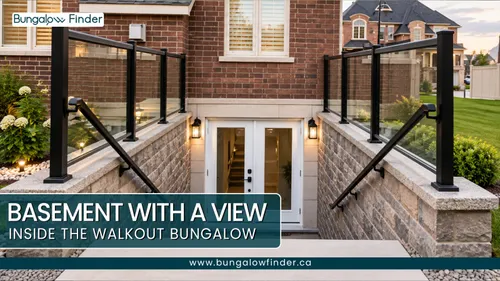
Tip 3: Basement Suites Turn a “Simple Home” Into a Tax File
If there’s one tax situation I see most often with bungalows, it’s basement suites.
From a housing perspective, they’re practical and common. From a tax perspective, they quietly change the story of the property. Once a part of a bungalow is rented out, rental income is expected to be reported every year, even if it feels informal or minor.
Expenses can usually be claimed, but inconsistency is what causes problems. Sales can be delayed because rental income wasn’t reported properly years earlier. What felt small at the time became a big headache later.
However, in rare cases involving major rebuilds, the GST/HST new housing rebate may also come up, but most standard renovations don’t qualify.
Tip 4: Claiming Depreciation Feels Good Now and Hurts Later
Depreciation, often called Capital Cost Allowance, is something many bungalow owners hear about once they start renting a suite. It can reduce taxes in the short term, which sounds appealing.
What’s often missed is what happens at the sale. Claimed depreciation can be recaptured, increasing taxable income later. I’ve watched sellers regret claiming it once they see the final numbers. For homes that are eventually sold as principal residences, depreciation often creates more trouble than benefit.
Tip 5: Renovations for Family Can Help — or Complicate Things
Bungalows are renovated all the time for accessibility or family living. Walk-in showers, ramps, and basement conversions — these are normal upgrades, especially as owners age.
Some of these renovations qualify for tax credits, which is a positive. Others don’t change taxes at all, but still need to be documented. Problems happen when people assume everything qualifies or don’t keep invoices.
Multigenerational renovations are a good example. There is a tax credit designed for creating a self-contained living space for a senior or disabled family member. But if the space doesn’t truly function independently, the credit may not apply. I’ve seen people find that out only after filing.
Tip 6: Property Taxes Depend More on Location Than the House
Property taxes don’t work the same way across Canada, and bungalow owners often assume changes come from the city when they don’t.
Some provinces allow tax deferrals that help with cash flow, especially for long-term owners or seniors. Others base taxes on assessed value, which means neighbourhood changes can affect your bill even if your home hasn’t changed. In some cases, provincial education taxes shift year to year and quietly raise totals.
The tip here is simple: read the notice. Most confusion comes from not realising where the increase came from.
Tip 7: The Tax Story of a Bungalow Is Built Over Time
The biggest mistake bungalow owners make isn’t a single bad decision. It’s forgetting that taxes follow how the home is used over the years. Situations like a change in use of a principal residence are easy to overlook when they happen gradually.
Renting a basement, claiming deductions, renovating for family — none of these are wrong. But together, they create a tax history that matters when the home is sold. When that history is clear, sales go smoothly. When it isn’t, problems appear late, when there’s pressure.
Final Word
Bungalows aren’t tax traps by default. They become tax problems when small, reasonable decisions pile up without anyone thinking about the long term.
The best tax tip for bungalow owners is awareness. Knowing that each change in how the home is used affects taxes later keeps surprises to a minimum. From a real estate point of view, that awareness is what separates smooth sales from stressful ones.
If you know the story of your bungalow, the taxes usually make sense.
FAQs
Do bungalow owners usually pay capital gains tax when selling?
Usually, no, if the bungalow was your principal residence in Canada, but the sale still needs to be reported, especially withthe capital gains tax Canada 2026 rules.
Does renting a basement suite affect selling a bungalow?
It can. Rental income from a bungalow changes how the home is treated for tax purposes and often complicates the sale later.
Is claiming capital cost allowance (CCA) on a rental bungalow risky?
It can be. Capital cost allowance (CCA) on rental property often lowers tax now but increases tax when the bungalow is sold.
Do accessibility renovations really qualify for tax credits?
Some do. Certain upgrades may qualify for the accessible home renovation tax credit, but only if they meet specific criteria.
What’s the multigenerational home tax credit for?
It applies when a bungalow is renovated into a self-contained space for a senior or disabled family member under the multi-generational home tax credit rules.
Can property taxes change even if I don’t renovate?
Yes. Changes can come from reassessments or provincial charges, such as BC property tax deferral for seniors, Ontario property tax assessment, or Alberta property tax updates.