Is a Bungalow a Good Investment in Canada? A Complete Guide
Discover whether a bungalow is a good investment in Canada. Learn about land value, rental income, resale potential, risks, and smart buying tips.

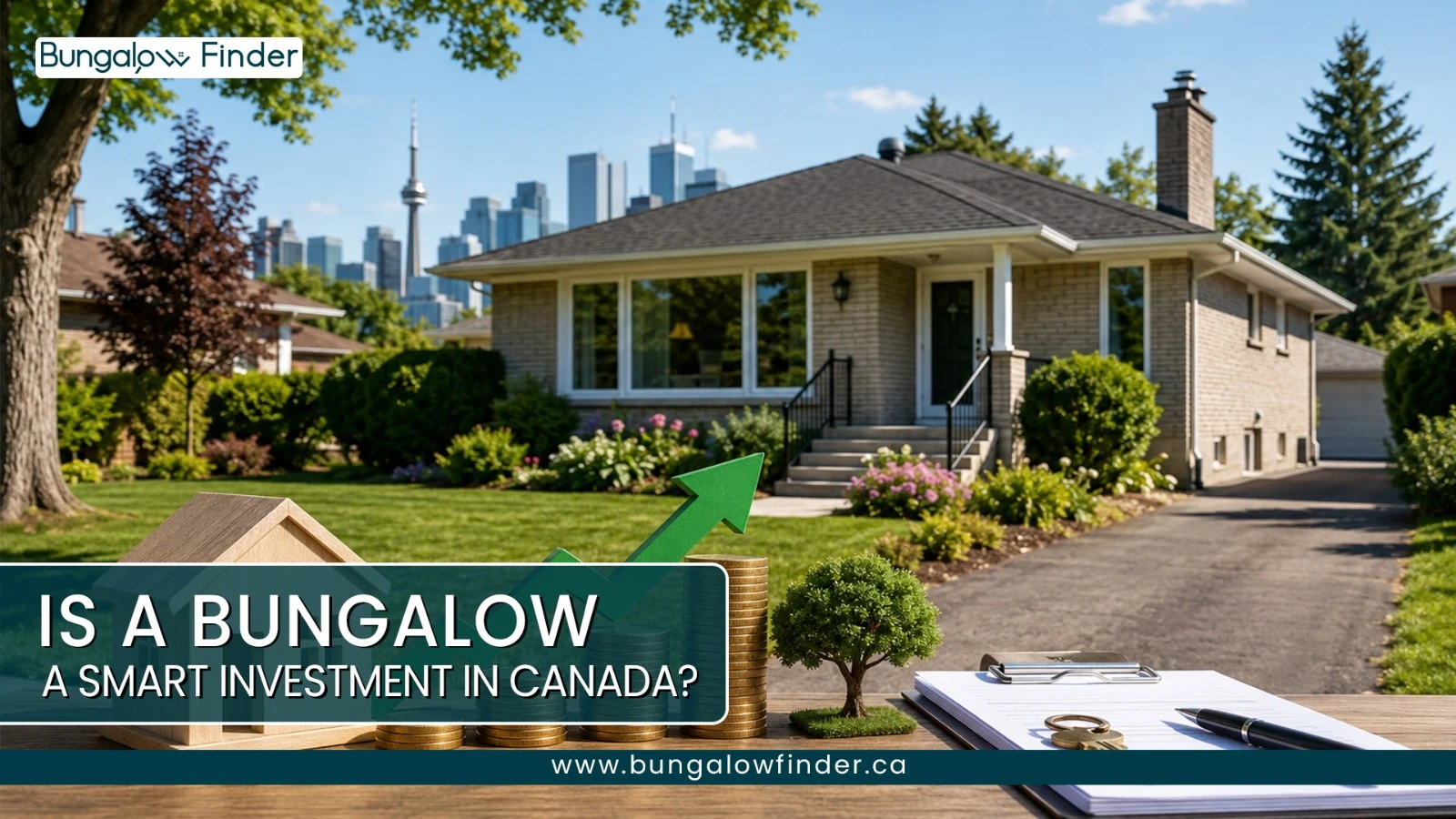
Buying a bungalow is about more than owning a home—it's about investing in a property that can support your financial goals for years to come. Whether you're purchasing your first investment property, looking for reliable rental income, or planning to build long-term equity, a bungalow offers advantages that many other property types simply don't.
So, is a bungalow a good investment in Canada? In many cases, yes—but only when you choose the right property. A bungalow in a desirable neighbourhood with a generous lot, solid construction, and future development potential can appreciate steadily while also providing rental opportunities and strong resale appeal. On the other hand, buying in the wrong location or overlooking expensive structural issues can significantly reduce your return.
The key isn't buying the cheapest bungalow on the market—it's buying one that offers lasting value. Understanding how location, land value, property condition, and market demand work together will help you make a smarter investment decision.
Quick Answer: Yes, a bungalow can be an excellent investment in Canada when it combines strong land value, a desirable location, rental or redevelopment potential, and healthy long-term buyer demand. However, every property should be evaluated individually. Factors such as neighbourhood growth, renovation costs, resale potential, and local market conditions all influence whether a bungalow will perform well over time.
Why Bungalows Continue to Attract Investors
Few residential properties appeal to as many different buyers as detached bungalows. That broad appeal is one of the biggest reasons they continue to perform well across many Canadian markets.
Unlike condos or many townhouses, a bungalow gives you ownership of both the home and the land beneath it. That combination creates opportunities for appreciation, renovation, rental income, and future redevelopment.
Some of the biggest reasons investors continue to choose bungalows include:
Broad buyer demand across different age groups.
Practical single-level living.
Larger lots than many newer developments.
Strong basement rental potential.
Greater renovation flexibility.
Consistent long-term resale demand.
Another reason bungalows remain attractive is their versatility. A property that suits a growing family today may later appeal to retirees, downsizers, or another investor. That wide buyer pool helps support long-term resale value, even when market conditions become more competitive.
What Makes a Bungalow Investment Strong?
Successful investors rarely judge a property by its asking price alone. Instead, they evaluate the factors that are most likely to influence long-term appreciation and overall return.
Investment Factor | Why It Matters |
Location | Strong neighbourhoods typically experience healthier long-term appreciation. |
Lot Size | Larger lots create opportunities for redevelopment or future expansion. |
Property Condition | Well-maintained homes usually require fewer unexpected repairs. |
Basement Potential | A finished or legal suite can generate additional rental income. |
Neighbourhood Growth | New schools, transit, and infrastructure often increase property values. |
Resale Demand | A larger buyer pool makes selling easier when it's time to move on. |
Investment Insight: The strongest bungalow investments usually create value in multiple ways. They may appreciate over time, generate rental income, and offer renovation or redevelopment opportunities—all within the same property.
Why Demand for Bungalows Remains Strong
Every successful real estate investment depends on demand, and bungalows continue to attract buyers from almost every stage of life.
Retirees value the convenience of single-level living, while families appreciate practical layouts, private yards, and larger living spaces. Investors often see opportunities for rental income, and downsizers are drawn to homes that are easier to maintain without sacrificing privacy.
Today, demand is driven by:
Retirees seeking accessible homes.
Families with young children.
First-time detached home buyers.
Downsizers.
Multi-generational households.
Investors looking for rental opportunities.
Supply also plays an important role. Many established neighbourhoods have only a limited number of detached bungalows, while newer developments often focus on taller homes to maximize density. Limited inventory combined with steady demand helps support long-term property values.
As Canada's population continues to age, homes that support aging in place are expected to remain highly desirable, making bungalows an attractive option for both homeowners and investors.
The Land Value Advantage
One lesson experienced real estate investors often repeat is simple:
Buy the land.
While kitchens become outdated and roofs eventually need replacing, well-located land often becomes more valuable over time. That's one of the biggest reasons bungalow investment in Canada continues to attract long-term buyers.
Many bungalows sit on wider or deeper lots than newer homes, creating opportunities that extend far beyond the existing structure. Explore affordable bungalows in Canada and learn where buyers can find strong value, larger lots, rental potential, and long-term investment opportunities.
A larger lot may allow for:
Home additions.
Garden suites where permitted.
Garage expansions.
Lot severance opportunities.
Future redevelopment.
Complete rebuilds under local zoning regulations.
Practical Example
Imagine two detached homes selling at similar prices.
The first sits on a narrow lot with limited room for expansion.
The second is an older bungalow on a spacious corner lot.
Although both homes may look similar today, the second property offers far more flexibility. In the future, the owner may be able to add a garden suite, expand the home, or even rebuild entirely if local regulations allow. Those possibilities can significantly increase the property's long-term value.
That's why experienced investors often evaluate the lot before they evaluate the kitchen.
Rental Income Can Improve Returns
Another reason many investors choose bungalows is their excellent rental potential.
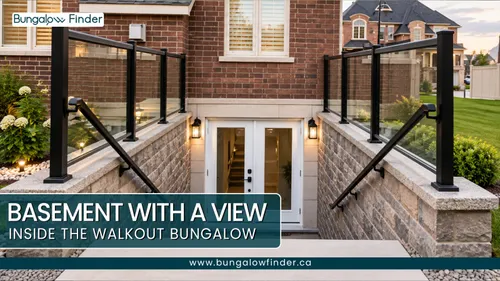
Because many layouts already include basements with separate entrances—or can be modified to include one—they often provide opportunities to generate additional income while building equity.
Common rental strategies include:
Legal basement apartments.
Secondary suites where permitted.
Multi-generational living arrangements.
Long-term residential rentals.
Mortgage-helper units.
Rental income can reduce monthly ownership costs, improve cash flow, and increase the property's overall return on investment.
Practical Example
Suppose you purchase a bungalow with an unfinished basement.
Rather than leaving the space unused, you renovate it into a legal secondary suite where local bylaws permit. Over time, the rental income helps offset your mortgage payments while making the property more attractive to future buyers.
Even if renting isn't part of your current plan, purchasing a bungalow with rental potential gives you greater financial flexibility if your circumstances change later.
Renovation Opportunities That Add Value
Many of Canada's older bungalows were built with durable construction, practical layouts, and generous lot sizes. While some may need cosmetic updates, they often provide excellent opportunities to build equity through thoughtful renovations.
Not every renovation delivers the same return. The most successful improvements enhance both everyday living and long-term resale value.
Projects that often provide the strongest return include:
Kitchen remodels.
Bathroom renovations.
Basement finishing.
Open-concept layout improvements where structurally possible.
Energy-efficient windows and insulation.
Updated heating and cooling systems.
Exterior improvements that boost curb appeal.
Practical Example
Consider two similar bungalows.
One has an outdated kitchen but a solid structure.
The other features a modern interior but has foundation problems hidden beneath fresh paint.
Although the second home may look more appealing during a showing, the first is often the better investment because cosmetic upgrades are usually far less expensive than repairing structural issues.
Experienced investors often say they look for "good bones" rather than perfect finishes. A well-built home in the right location usually offers far more long-term value than a beautifully renovated property with expensive underlying problems.
Rebuild and Expansion Potential
One of the biggest advantages of investing in a bungalow is the flexibility it offers over time. While the existing home may meet your needs today, the land often provides opportunities to increase the property's value in the future.
Depending on municipal bylaws and local zoning regulations, some bungalow owners may be able to:
Build a home addition.
Add a second storey.
Construct a detached garage or workshop.
Build a garden suite where permitted.
Rebuild the home entirely.
Explore lot severance opportunities in eligible areas.
Not every property qualifies for these improvements, which is why researching local zoning rules before buying is essential.
Practical Example
Imagine purchasing an older bungalow in an established neighbourhood. The home is perfectly livable but dated, while the lot is wide enough to support a future addition. Over the next several years, you renovate the interior, improve the exterior, and eventually expand the living space. Instead of relying solely on market appreciation, you've actively increased the property's value through strategic improvements.
Experienced investors rarely look only at what a property is today—they also consider what it could become in the future.
Who Should Buy a Bungalow as an Investment?
Bungalows appeal to a wide range of buyers, but they are particularly attractive to investors looking for stability, flexibility, and long-term growth.
A bungalow may be a great investment if you are:
A first-time real estate investor.
Planning to generate rental income.
Looking for long-term capital appreciation.
Buying a family home with future resale value in mind.
Interested in redevelopment opportunities.
Building long-term wealth through real estate.
On the other hand, if you're looking for quick profits with little effort, a bungalow requiring extensive repairs may not be the right choice.
The best investment strategy is to match the property to your financial goals rather than chasing the lowest purchase price.
Best Cities in Canada for Bungalow Investment
No city guarantees strong returns, but some markets continue to attract investors because they combine affordability, population growth, and healthy housing demand.
Some locations worth researching include:
Hamilton – Mature neighbourhoods with redevelopment potential.
London – Strong demand from families and first-time buyers.
Ottawa suburbs – Better value than the downtown core with steady appreciation.
Edmonton – Competitive detached home prices and growing demand.
Calgary – Expanding communities supported by employment growth.
Windsor – Affordable entry prices with increasing investor interest.
Thunder Bay – One of Canada's more affordable detached housing markets.
Rather than focusing only on the city, pay close attention to the neighbourhood. Access to schools, public transit, parks, shopping, healthcare, and future infrastructure projects often has a greater impact on long-term property values than the city name itself.
Long-Term Resale Strength
Every real estate investment eventually reaches an exit point, making resale demand just as important as appreciation potential.
One reason bungalows continue to perform well is their broad appeal to buyers.
Potential buyers include:
First-time home buyers.
Families.
Retirees.
Downsizers.
Multi-generational households.
Property investors.
This diverse buyer pool helps support consistent resale demand, even during slower market conditions.
As Canada's population ages, accessible single-level homes are expected to remain highly desirable, giving many well-located bungalows an additional advantage over other property types.
Risks of Investing in a Bungalow
Like any real estate investment, buying a bungalow comes with risks. Understanding them before making an offer can help you avoid costly mistakes.
Common risks include:
Aging electrical or plumbing systems.
Foundation problems.
Older roofing materials.
Unexpected renovation costs.
Premium purchase prices in desirable neighbourhoods.
Municipal restrictions affecting basement suites or redevelopment.
Higher maintenance costs than newer homes.
Practical Example
A bungalow listed below market value may initially seem like a bargain. However, a home inspection could reveal foundation movement, outdated wiring, and water damage in the basement. Repair costs can quickly eliminate any savings from the lower purchase price.
That's why a professional inspection is one of the smartest investments you can make before buying.
Market Factors That Affect Investment Returns
Even the best property can underperform if it's located in a weaker market.
Several external factors influence long-term investment performance:
Interest rates.
Local supply and buyer demand.
Employment opportunities.
Population growth.
School districts.
Public transit expansion.
Municipal redevelopment plans.
Infrastructure investment.
Markets with growing populations, expanding job opportunities, and ongoing infrastructure improvements often experience healthier long-term demand for detached homes.
Before buying, study recent sale prices, neighbourhood trends, and future development plans rather than relying solely on current listing prices.
Signs of a High-Return Bungalow
Not every bungalow offers the same investment potential.
Properties that consistently perform well often share several important characteristics.
Look for homes that offer:
A desirable location.
A larger-than-average lot.
Strong structural condition.
Basement suite potential.
Functional family-friendly layouts.
Updated major systems.
Cosmetic renovation opportunities.
Strong comparable sales in the surrounding area.
Investor Checklist
Positive Sign | Why It Matters |
Large Lot | Greater redevelopment potential and stronger land value. |
Good Location | Supports appreciation and consistent buyer demand. |
Basement Suite Potential | Creates additional rental income opportunities. |
Updated Systems | Reduces unexpected repair expenses. |
Cosmetic Upgrade Potential | Allows investors to build equity through renovations. |
Investor Insight: The strongest investment properties rarely depend on a single advantage. Instead, they combine desirable land, a strong location, rental potential, and opportunities to increase value over time.
When a Bungalow Is a Strong Investment
A bungalow is often a strong investment when it offers a combination of:
A desirable neighbourhood.
Strong land value.
Low immediate repair costs.
Basement suite potential.
Future redevelopment opportunities.
Functional layouts with broad buyer appeal.
When several of these strengths come together, the property has a much greater chance of delivering steady appreciation, healthy resale demand, and reliable long-term returns.
When It May Not Be the Right Investment
Sometimes the smartest investment decision is deciding not to buy.
You may want to reconsider a property if it has:
A declining location.
Serious structural issues.
Limited expansion potential.
Weak resale demand.
An asking price well above comparable sales.
Renovation costs that outweigh the expected return.
Successful investors understand that avoiding a poor investment is just as valuable as finding a great one.
Bungalow vs Other Property Types
Every property type offers different advantages, and the right choice depends on your investment goals.
Property Type | Best For | Key Consideration |
Bungalow | Long-term appreciation, rental income, families | Strong land value, redevelopment potential, broad buyer demand |
Condo | Lower-maintenance investing | Monthly condo fees and limited control over the property |
Townhouse | Buyers seeking affordability | Shared walls and smaller lots |
Two-Storey Detached Home | Larger families needing extra space | Higher maintenance and less accessibility |
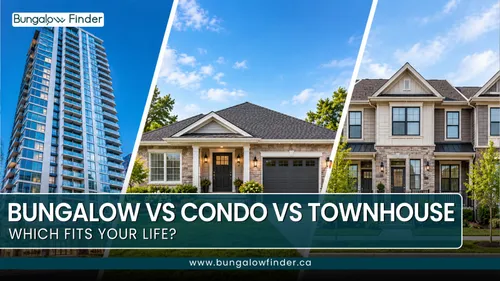
If your priority is long-term flexibility, land ownership, and consistent resale demand, a well-located bungalow often provides one of the strongest overall value propositions.
Conclusion
So, is a bungalow a good investment in Canada? For many buyers and investors, the answer is yes—but only when the fundamentals are right. A bungalow in a desirable neighbourhood with strong land value, solid construction, and opportunities for rental income or future redevelopment can deliver steady appreciation while remaining attractive to a wide range of buyers.
However, no property is guaranteed to be a successful investment. Before making an offer, compare recent sold prices, research the neighbourhood, inspect the property carefully, and understand its long-term potential. A thoughtful purchase based on sound research is far more likely to outperform one driven by emotion or a low asking price.
The best bungalow investment isn't necessarily the cheapest property on the market. It's the one that continues to create value long after you receive the keys.
FAQ’s
Are bungalows a good long-term investment?
Yes. Well-located bungalows often appreciate steadily because they appeal to a broad range of buyers and usually include valuable land.
Do bungalows appreciate faster than other homes?
Not always. Appreciation depends on local market conditions, neighbourhood demand, lot size, and future development. Properties in desirable areas with larger lots generally perform better over time.
Are bungalows better for rental income?
They can be. Homes with finished basements or legal secondary suites often generate additional income while increasing overall property value.
Is a bungalow better than a condo for investing?
It depends on your goals. Condos usually require less exterior maintenance, while bungalows provide land ownership, greater flexibility, and stronger redevelopment potential.
Do bungalows usually sell faster?
In many markets they do, thanks to consistent demand from families, retirees, downsizers, and investors. Local market conditions, however, will always influence selling times.
What makes a bungalow a poor investment?
Poor location, major structural issues, weak resale demand, limited redevelopment potential, and excessive renovation costs can all reduce long-term returns.
Are bungalows good for house flipping?
Yes. Older bungalows with solid construction often respond well to cosmetic renovations, kitchen upgrades, bathroom remodels, and basement finishing.
Is a bungalow a safe investment in Canada?
No real estate investment is completely risk-free, but a well-maintained bungalow in a desirable neighbourhood with strong buyer demand can be a relatively stable long-term investment.
Should I buy an older or newer bungalow?
Both can be good investments. Older homes often offer larger lots and lower purchase prices, while newer properties may require less maintenance. Focus on location, condition, and future potential rather than age alone.
Does land value matter more than the house?
In many established Canadian neighbourhoods, yes. While the structure may depreciate over time, well-located land often becomes the property's most valuable asset, particularly where redevelopment opportunities exist.